DOP / PAO testing for your equipment
Price confirmed for yourSite & scopeTell us what needs testing
HEPA Filter Integrity Testing for Installed Equipment
Find out whether air can bypass the filter, even when the filter itself is the correct grade.
Velocity Safety provides in-situ DOP and PAO filter integrity testing from our Blackburn base, serving the North West and sites across the UK by arrangement.
A controlled aerosol challenge is introduced upstream of the installed filter. A calibrated aerosol photometer checks downstream for penetration or bypass leakage, using the method appropriate to the system.
Your testing scope can include:
- Equipment and filter identification — make, model, filter details and previous records.
- Checks of the installed filter assembly — media, accessible seals and gaskets, frame and housing.
- Agreed test conditions and criteria — aerosol, access, method and the result required by your programme.
- Leak detection and recorded findings — including any limitations or areas needing attention.
- A traceable digital report — what was tested, the outcome and recommended follow-up.
A filter integrity test is a specific assessment. It does not, on its own, certify a whole cleanroom or replace a full LEV thorough examination.
DOP, PAO or Ondina?
These names commonly appear on enquiries for installed filter leak testing.
- DOP testing — the familiar industry term; historically named after dioctyl phthalate.
- PAO testing — testing with a polyalphaolefin aerosol.
- Ondina testing — testing with a suitable Ondina oil aerosol.
The name alone does not define the complete test. We confirm the actual aerosol, method and acceptance criteria for your equipment.
Arrange Your DOP Test in Three Steps
From the first enquiry to the report, the work is tied to the equipment and the reason for testing.
1. Share the equipment details
Send the make, model, filter quantity and site postcode. Include your previous report or test specification, and tell us about contaminants, access and any recent filter changes.
2. Agree the scope and visit
We review the test arrangement, safe access and required criteria, then confirm the quotation and availability. Any airflow testing or wider LEV examination is identified separately.
3. Test, record and advise
We carry out the agreed aerosol test and record the findings. If leakage is found, the report explains the affected area and the follow-up needed before the issue can be treated as resolved.
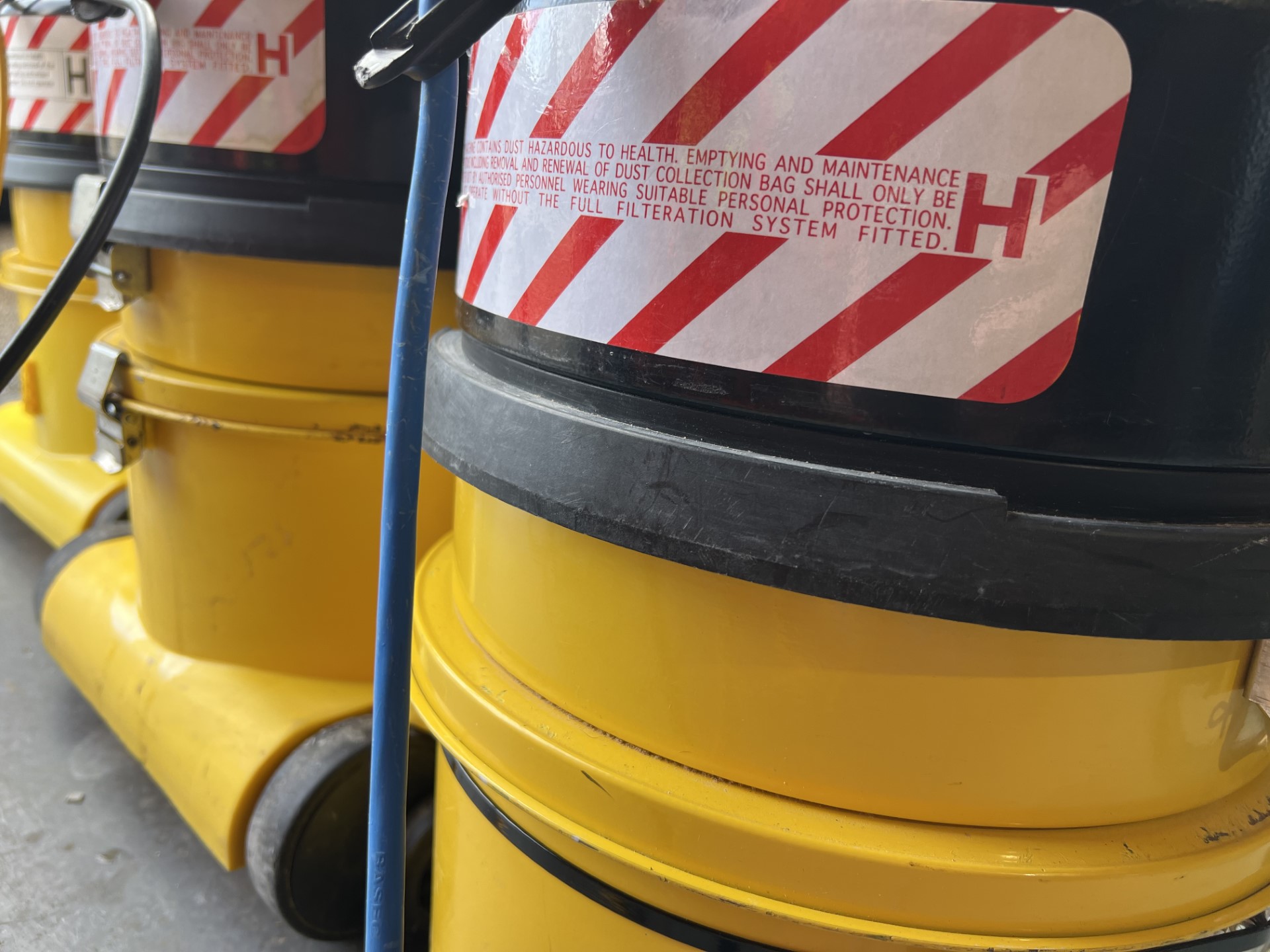
A new filter can still leak.Handling damage, poor seating or a disturbed seal can affect the installed assembly. A factory rating does not rule out installation defects.
When Should You Book Filter Integrity Testing?
Plan the test around the equipment, its use and the examination or validation programme that applies.
- After installation or filter replacement — where the installed system needs verified integrity.
- During periodic testing — at the interval set for the application and risk.
- After repairs or relocation — if work could have affected the filter, seals or housing.
- Following suspected damage or leakage — to investigate a reason for concern.
There is no single DOP testing interval for every HEPA or ULPA installation. Manufacturer instructions, industry guidance, site requirements and the equipment’s history all matter.
Does DOP testing have to be done every six months?
Some applications have specific, shorter examination regimes. For example, HSE’s guidance on Class H vacuums used for asbestos says hired cleaners should be thoroughly examined and tested at least every six months. That is application-specific guidance, not a universal DOP interval for all filters.
Tell us what the equipment handles and provide the previous certificate so the appropriate scope and timing can be checked.
How does this fit with COSHH and LEV testing?
In Great Britain, COSHH requires relevant exposure-control measures to be maintained and examined. LEV normally needs a thorough examination and test at least every 14 months; shorter intervals apply to some processes, and risk or deterioration can require more frequent attention.
Filter integrity testing may form part of that assessment, but it is not a substitute for the complete LEV examination. See HSE’s LEV guidance or our LEV thorough examination and testing service.
What the Test ChecksA filter rating cannot show every installation leak.
The aerosol follows the airflow. Downstream measurements can reveal leakage through the media or around the installed assembly.
1 Upstream challenge
A suitable aerosol enters the airflow before the filter under controlled test conditions.
2 Installed assembly
The assessment considers the filter media and possible bypass routes at seals, frames and housings.
3 Downstream check
A calibrated instrument measures penetration, with scanning or sampling arranged for the system.
Illustrative only. Injection points, access, airflow and measurement arrangements depend on the equipment and test method.
| Compare | DOP / PAO integrity test | Airflow test |
|---|---|---|
| Question | Is there unacceptable leakage? | Is the required air movement achieved? |
| Measurement | Aerosol penetration or bypass | Air velocity or volume flow |
| Limitation | Does not establish adequate airflow | Does not rule out a filter leak |
What about filter efficiency and full-system validation?
Filter efficiency classification
BS EN 1822-1 concerns filter classification, performance testing and marking. An installed-system aerosol test does not reclassify the filter or replace its factory efficiency test.
Wider system assessment
A cleanroom, cabinet or LEV system can need other checks as well as filter integrity. BS EN ISO 14644-3 provides cleanroom test methods; the applicable method and scope must be selected for the installation.
How Much Does DOP Testing Cost?
Your quote depends on the equipment, filter quantity, location and access. We confirm the scope and price before the work is booked.
DOP / PAO filter integrity testing
For your equipment and siteRequest a quote
- Identify the units and filters to be tested
- Confirm access and the required test method
- Agree the report and any additional checks
Equipment & filter quantityDefine the scope
Tell us the make, model and number of units or filters. Include filter grades, dimensions and earlier reports where available.
Access & site arrangementsPlan the visit
Let us know about permits, working height, restricted areas, operating windows and contaminants. These affect how the test can be completed.
Airflow, repairs & retestingAgree extra work
Associated airflow or LEV testing, remedial work and repeat tests are identified separately. Do not assume they are included in a filter integrity quotation.
Build your filter testing enquiry
Add the details you have. The summary helps us confirm the test scope, safe arrangements and quotation.
Your enquiry summary
You can enquire even if the quantity or previous test details are unknown.
This prepares your enquiry. It does not confirm that the equipment is safe, select a test method or calculate a price.
Filter replaced? Test due? Suspect a leak?
Send your equipment details and previous report. We’ll help you establish the test scope and arrange the next step.
Why Choose Velocity Safety for DOP Testing?
Filter-testing knowledge, calibrated instruments and a clear record of the work completed.
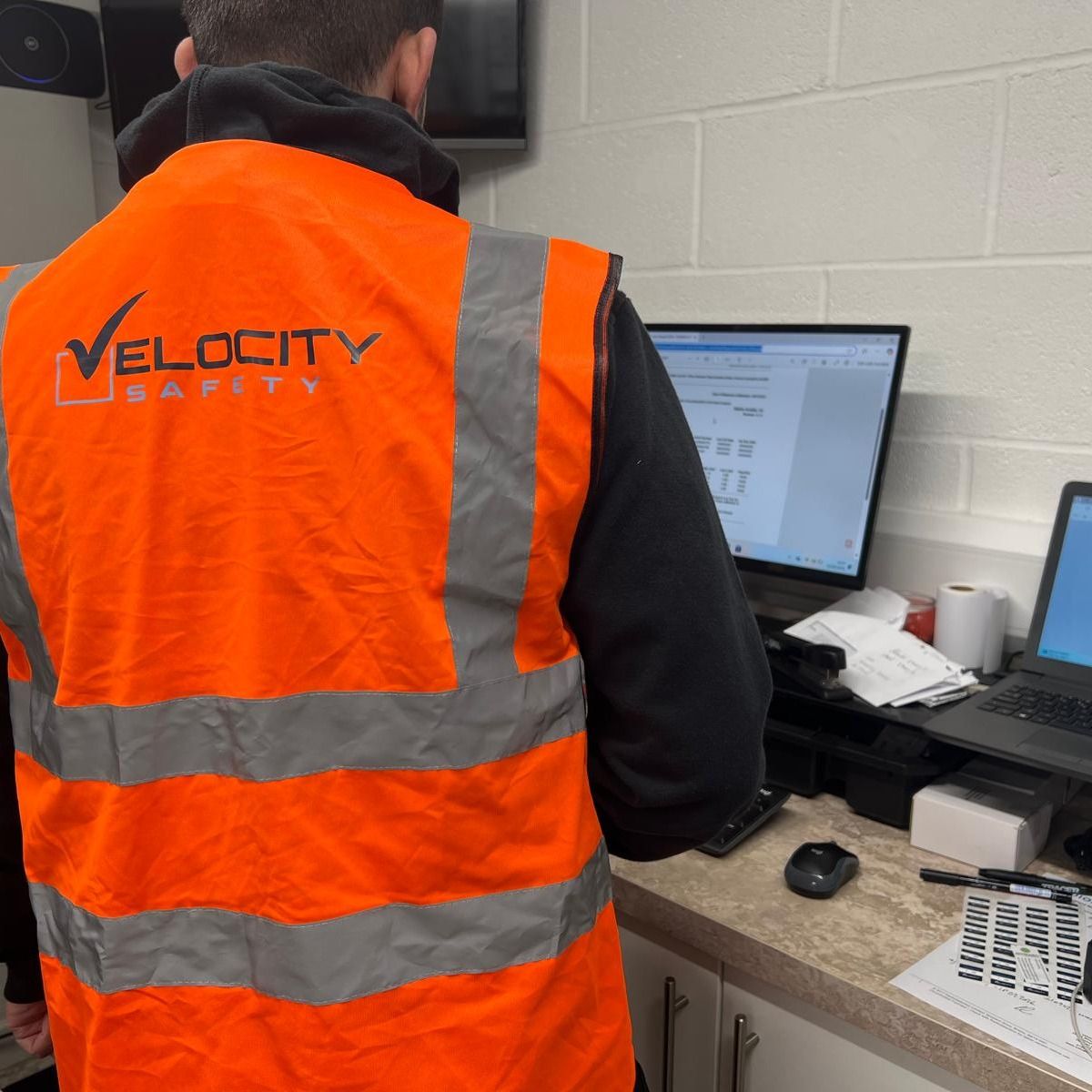
12+ years of hands-on safety experience
Our engineers have manufacturer training in filter testing and hold the BOHS W501 measurement of hazardous substances qualification.
We combine that technical background with over 12 years of health and safety experience, helping you understand what the test covers and what any findings mean for your equipment.
Evidence you can use
Clear equipment identification, a defined test and findings you can act on.
Relevant technical training
Manufacturer-trained filter testing, supported by BOHS W501 occupational hygiene knowledge.
Calibrated test instruments
Serviced aerosol photometers with traceable calibration records.
Traceable reporting
Equipment, test scope, results and follow-up recorded clearly.
Practical advice
Discuss leakage, access limitations and the next steps directly with the team.
Insured site support
Fully insured, with testing arrangements agreed around your equipment and premises.
Related Workplace Air Safety Services
Filter integrity is one part of controlling exposure. These services address different parts of the equipment and protection programme.

LEV Testing
A wider assessment of extraction performance and condition.
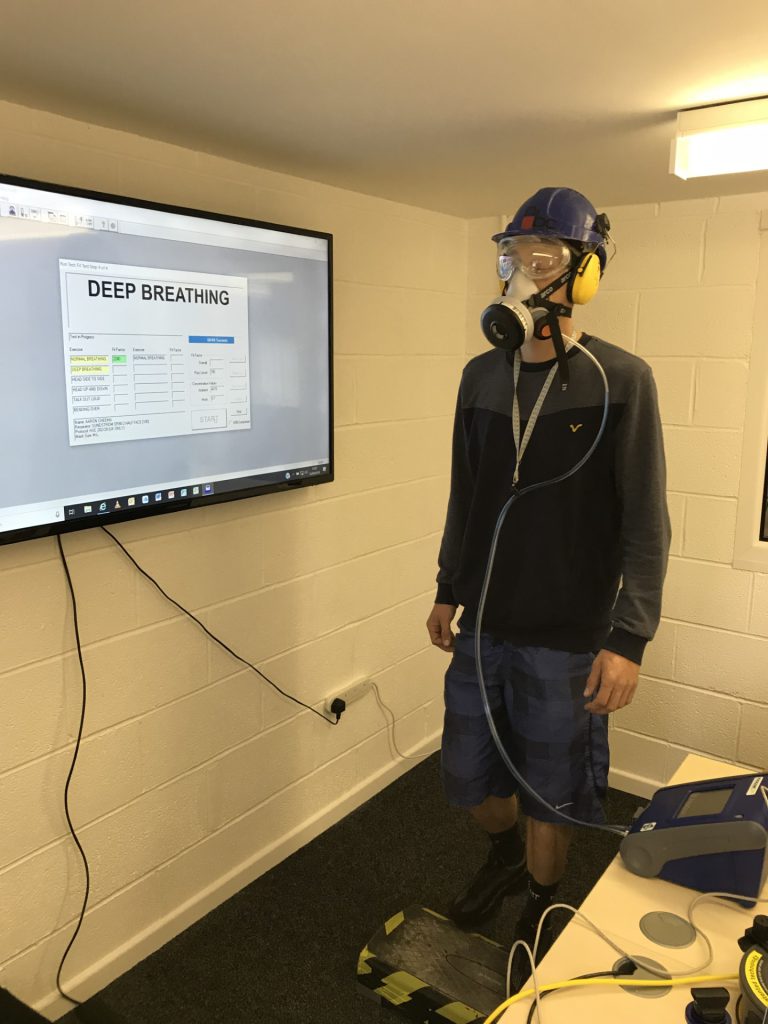
Respirator Face Fit Testing
Check the fit of tight-fitting respiratory protection.
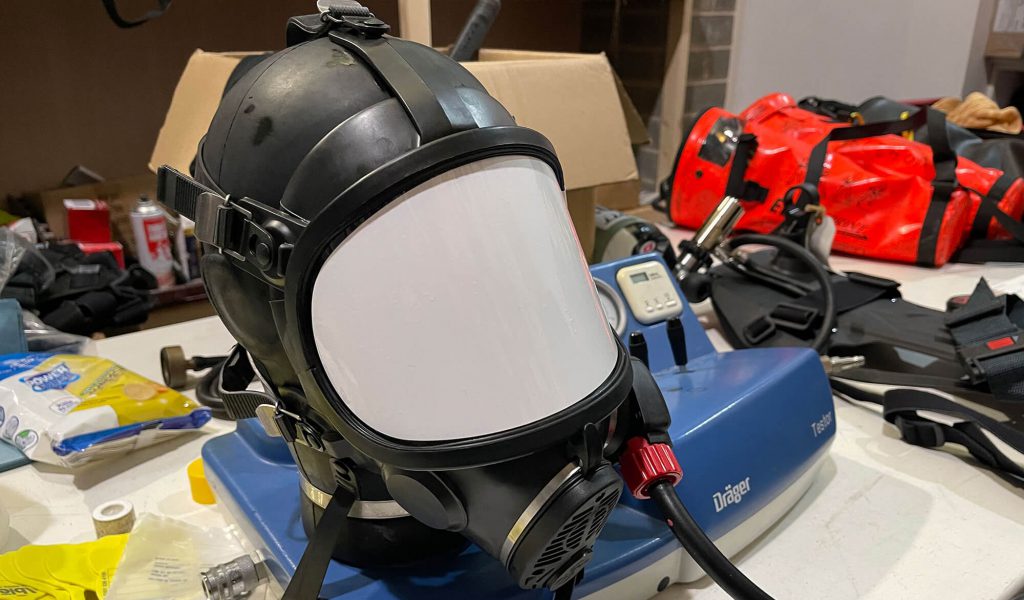
RPE Examination & Servicing
Maintenance and examination of respiratory equipment.

Breathing Air Testing
Check the quality of compressed breathing air.
What Others Say About Us…
Feedback from customers who have used Velocity Safety’s inspection, testing and equipment services.
“After many issues with the inspectors from our insurer I contacted Ross to quote. He saved us just over £3000 in the first year. He also does weekends for us to reduce downtime.”
Joe, Civils Company Midlands
“After spending £20k purchasing the wrong powered air units for our factory on our previous PPE supplier/H&S advisors recommendations, Ross came in and told us what we needed, why we needed it and what cost savings could be had over the life of the equipment. I just wish we found him sooner.”
David, Engineering Company North West
“Great Service, Great guy nothing is too much trouble.”
John, Groundworks Company North West
Who Our Filter Integrity Testing Is For
Select your setting for the information that helps us plan a relevant test.
Cleanrooms & pharmaceutical sites
Cleanrooms & pharmaceutical sites
Provide the room or filter references, filter grades, operating state and validation specification. Identify whether you need filter integrity only or other tests as part of a wider programme.
Healthcare & laboratories
Healthcare & laboratories
Include the equipment type, controlled-area requirements and access arrangements. Filtration in a room, cabinet or local extraction unit may need a different test arrangement; we agree what is included.
Asbestos & dust-control contractors
Asbestos & dust-control contractors
Tell us the contaminants handled, the make and model of each NPU or vacuum, and its examination history. Safe handling and any decontamination requirements must be agreed before a visit.
Manufacturing & engineering
Manufacturing & engineering
Identify the process, filter housing and associated LEV. Share operating hours, isolation arrangements and previous results so integrity and any additional extraction checks can be planned together.
Spray booths & paint shops
Spray booths & paint shops
Confirm the actual filter type and process. HEPA integrity testing concerns particulate filtration; it does not establish vapour removal or certify the complete booth’s exposure-control performance.
Facilities & estate managers
Facilities & estate managers
Send the sites, asset references, equipment quantities and testing dates. Include reporting requirements, local contacts and access restrictions for a coordinated quotation.
Universities & research facilities
Universities & research facilities
Share laboratory or workshop equipment details, the hazards handled and your test specification. Flag restricted spaces, sensitive work and any term-time or research scheduling constraints.
Construction & equipment hire
Construction & equipment hire
List portable filtered equipment and explain whether testing follows a filter change, repair or periodic examination. Include the intended site use and current test records.
DOP & PAO Testing FAQs
Booking, results, testing intervals and equipment. Choose a topic to find the detail you need.
Booking & preparation
How much does a DOP test cost?
The price depends on the number and type of filters or units, location, access and test scope. Send the equipment details and any previous report for a quotation. Airflow checks, wider LEV examinations, repairs and retesting are identified separately where required.
Do you provide on-site DOP testing across the UK?
Yes. Velocity Safety is based in Blackburn and provides mobile testing in the North West and across the UK by arrangement. Send your site postcode or location list so coverage, availability and costs can be confirmed.
What information do you need before a visit?
Send the equipment make and model, filter quantity and grade if known, site postcode, reason for testing and previous report or specification. Tell us about contaminants, access restrictions, permits, operating windows and any decontamination requirements.
Does the equipment need to be shut down?
The test normally needs controlled airflow through the filter so the aerosol challenge can be measured downstream. Surrounding processes or parts of the system may need isolation. The arrangement depends on the installation and must be agreed before the visit; do not dismantle or isolate equipment without an appropriate plan.
Methods & results
Are DOP and PAO testing the same thing?
They commonly describe the same general type of installed filter integrity test, but DOP and PAO are different substances. DOP historically refers to dioctyl phthalate; PAO means polyalphaolefin. Ondina or another suitable aerosol may be used. The actual aerosol and method should be confirmed and recorded.
What is the pass limit for a HEPA filter integrity test?
There is no single limit to apply to every HEPA or ULPA installation. The applicable method, filter system, standard and site specification determine the acceptance criteria. These should be agreed before testing and identified in the report.
Will I receive a DOP test certificate or report?
You receive a traceable digital report of the agreed testing. Relevant details include the equipment and filter identification, test method, aerosol, instrument details, acceptance criteria, results, limitations and recommended action. The record describes the tested scope; it is not a blanket certificate for the entire premises or cleanroom.
What happens if a filter fails the integrity test?
The leakage and affected area are recorded. Depending on the cause, follow-up may involve reseating the filter, addressing a seal or housing defect, or replacing the filter. Agree remedial work and retesting before treating the issue as resolved. Do not assume the affected system provides its intended protection while the fault remains.
Intervals & responsibilities
Is DOP testing a legal requirement?
There is no blanket legal rule requiring a DOP test for every HEPA filter. In Great Britain, COSHH requires relevant exposure-control measures to be maintained and examined. An integrity test may be needed as part of demonstrating the effectiveness of a particular filtered control. The equipment, application and examination or validation programme determine the required test.
How often should HEPA filters be DOP tested?
Follow the applicable examination or validation programme, manufacturer instructions and risk assessment. The interval is specific to the equipment and its use. Testing may also be needed after installation, filter replacement, repairs, relocation or suspected damage.
Is DOP testing the same as an LEV thorough examination?
No. A DOP or PAO test checks the installed filter assembly for unacceptable leakage. An LEV thorough examination and test assesses the extraction system’s performance and condition more broadly. Filter integrity and airflow checks may be included within the wider scope where appropriate.
Does a new filter still need an integrity test?
Where the installation requires verified integrity, testing after fitting can identify handling damage, poor seating or leakage around seals and housings. The filter’s factory efficiency classification does not prove that the installed assembly is free of defects.
Equipment & scope
Can you test H-Class vacuums and negative pressure units?
We test suitable H-Class vacuums, negative pressure units and other filtered extraction equipment. Provide the make, model, filter details and contaminants handled so the test method and safe arrangements can be confirmed. Suitability is not established by the dust-class label alone.
Can you test filters in cleanrooms and laboratories?
Yes, for suitable installed HEPA and ULPA systems. We agree access, operating conditions, method and acceptance criteria for the equipment. Filter integrity testing should not be assumed to include room classification, cabinet certification or every element of cleanroom validation.
Does a DOP test prove a filter removes gases and vapours?
No. This service assesses the integrity of particulate filtration. It does not establish the performance or remaining capacity of gas or vapour filtration. Where those hazards are present, the overall control arrangement needs the appropriate separate assessment.
Can DOP testing be combined with airflow or LEV testing?
Where suitable, these checks can be coordinated in one visit. Tell us whether you need filter integrity, airflow measurements, a full LEV thorough examination or a combination. We identify the agreed scope and reporting in the quotation.
Request a DOP / PAO Testing Quote
Tell us what needs testing, where it is located and when you need it. Include the previous report or specification if available.
Request a quote
Fields marked * are required.
Talk to the team
Not sure what you need? Call or email and we’ll help.
Our Blackburn base
Velocity SafetyUnit 7 Whitebirk Enterprise Centre
Lower Phillips Road
Blackburn, Lancashire
BB1 5UD