Standard 4-Gas Monitor Calibration
From £35 + VAT
What’s Included in Our Gas Monitor & GDU Calibration Services
Keep your gas monitors accurate, compliant, and audit-ready.
We calibrate both portable and fixed Gas Detection Units (GDUs) – also known as gas monitors – to ensure accurate readings, full traceability, and confidence in high-risk environments.
Whether you manage a single unit or dozens across multiple sites, our engineers provide documented calibration using manufacturer-recommended test gas concentrations, helping keep your equipment accurate and your records up to date.
Our calibration service includes:
- Functional testing and precision adjustment of gas sensors
- Calibration to manufacturer-recommended gas concentrations
- Sensor replacement or reconditioning where required, quoted separately before work begins
- Bump test verification (on request)
- Full digital certificate with test data and engineer ID
- Audit-ready documentation issued post-service
- Optional fast-track turnaround or multi-unit scheduling
Popular Gas Monitors & GDUs We Calibrate
We service and calibrate both portable and fixed gas detection units – also known as gas monitors – from all leading manufacturers, including:
- Dräger
- MSA Safety
- Crowcon
- BW / Honeywell (including Microclip series)
- MultiRAE
- Riken Keiki
Not sure if your model’s listed? Just ask – we can usually calibrate it or recommend an approved alternative.
How our Gas Monitor & GDU Calibration Process Works
Getting compliant doesn’t need to be complicated. Whether it’s a portable gas monitor or fixed GDU system, here’s how we make calibration simple:
1. Get in touch
Call, message or email – whichever suits you best. We’ll ask a few simple questions about your units and site, then confirm what’s needed. No upselling. No confusing jargon.
2. Book your slot
Choose a date and location. Visit our Blackburn workshop, send your monitors or GDUs by courier, or arrange an on-site visit. You’ll receive confirmation and preparation instructions for your chosen option.
3. Get certified
Our engineers carry out a full calibration using certified test gas and controlled calibration procedures. You receive a digital certificate with all test data included – and we’ll remind you when your next service is due.

Not sure what’s right for your setup?We’ll advise a realistic calibration frequency based on your risk level – not generic rules.
How Often Should Gas Monitors Be Calibrated?
Calibrate your Gas Detection Units (GDUs) or multi-gas monitors at the interval specified by the manufacturer, taking account of your site risk assessment and operating conditions. If your detector’s instructions specify every 6 months, follow that interval unless earlier calibration is needed.
Your calibration schedule should consider:
- The type of gases your team is exposed to
- How often the detectors are used
- Whether the unit has failed a bump test
- If the unit has undergone sensor replacement
- Site-specific risk assessments or industry regulations
Common triggers for recalibration
Your detector’s specified calibration interval is the starting point. These triggers may require earlier checks or recalibration in line with the manufacturer’s instructions:
- After a failed bump test
- After sensor replacement or stabilisation
- Following high gas exposure
- After exposure to sensor-contaminating substances
- Based on a site-specific risk assessment
We can help set a realistic calibration schedule tailored to your site’s needs.
Gas Detector Repair, Sensor Servicing & Common Faults
Sensor drift and failure are often caused by environmental exposure.
Common issues include:
- Solvents and industrial vapours
- Lead, silicones, and silicates
- Harsh cleaning agents
- Improper storage conditions
- Overexposure to target gases
Regular calibration helps detect early sensor degradation before it affects readings – saving you downtime and costly replacements.
All sensors degrade over time. If you’re unsure whether your units are still accurate – it’s time to calibrate.
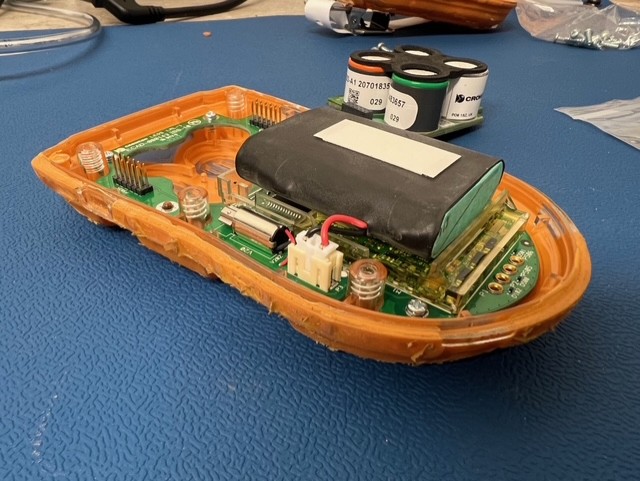
GDU calibration vs bump testingKnow the difference
A lot of teams confuse gas monitor calibration with bump testing – but they serve two very different purposes.
| Compare | Bump test | Calibration |
|---|---|---|
| Purpose | Functional check | Precision adjustment |
| Sensor accuracy | Doesn’t check accuracy | Measures sensor accuracy |
| Sensor adjustment | Doesn’t adjust the sensor | Adjusts internal settings |
How the tests work
Bump test
A bump test exposes the sensor to a small amount of gas to confirm it responds.
- Quick
- Low gas usage
- Follow your detector’s instructions and site procedures
Calibration
Calibration applies a known concentration of gas to measure and adjust the sensor’s response.
- Generates traceable certificate
Gas Monitor & GDU Calibration Prices
Standard four-gas monitor calibration starts from £35 + VAT. For other monitor configurations, on-site visits or sensor repairs, contact us with your equipment details and requirements for a tailored quote.
Standard 4-gas calibration
From£35+ VAT
- Standard four-gas monitors
- Manufacturer-recommended test gas
- Traceable calibration certificate
Other gas monitor calibrationPrice on request
- Single-gas and other configurations
- Quotes based on your monitor and sensors
- Traceable calibration certificate
On-site calibrationPrice on request
- Calibration at your premises
- Flexible scheduling
- Quotes based on location and equipment
Sensor servicing & repairsPrice on request
- Sensor swaps and filter changes
- PID maintenance
- Additional work quoted first
Ready to arrange your calibration?
Send us your monitor make, model and quantities. We’ll confirm the cost for workshop or on-site calibration.
Why choose Velocity Safety Ltd
We don’t just calibrate detectors – we protect people.
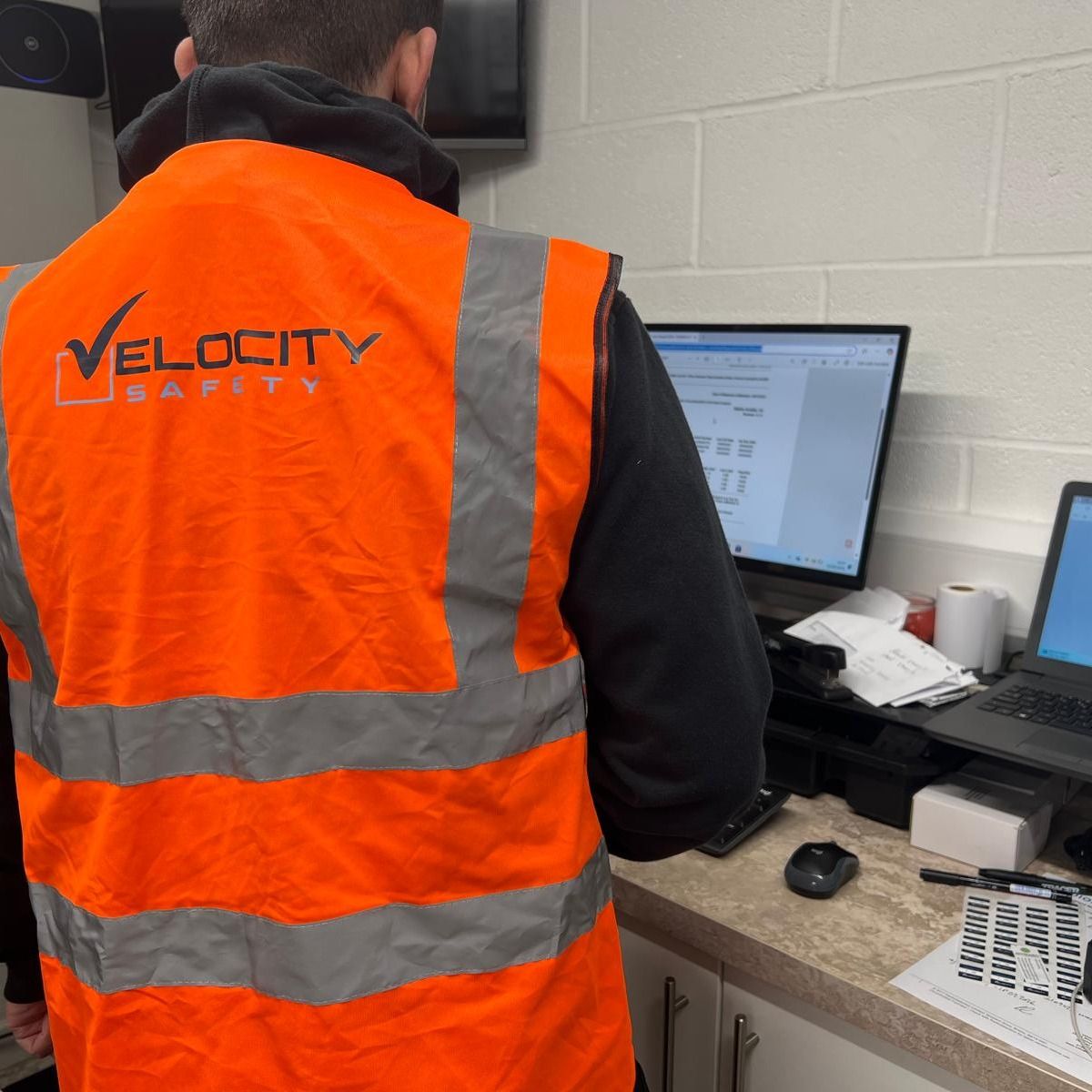
12+ years of hands-on safety experience
Our clients trust us because we combine technical precision with real-world understanding of how safety actually works on site.
As an independent gas monitor calibration provider, we combine controlled calibration procedures, clear certification and responsive support with honest, field-tested experience.
Trusted by safety-first teams across the UK
Here’s why teams across the UK choose us:
Traceable calibration certificates
Audit-ready, every time
Fully qualified engineers
Using automatic calibration stations
Mobile servicing nationwide
or workshop drop-off in Blackburn
No call centres. No hard sell.
Just honest advice.
Fast turnarounds
and flexible booking to fit your schedule
Bundle GDU with Other Services
Save time and stay compliant across the board. We can combine gas monitor calibration with other inspection and testing services during the same site visit.
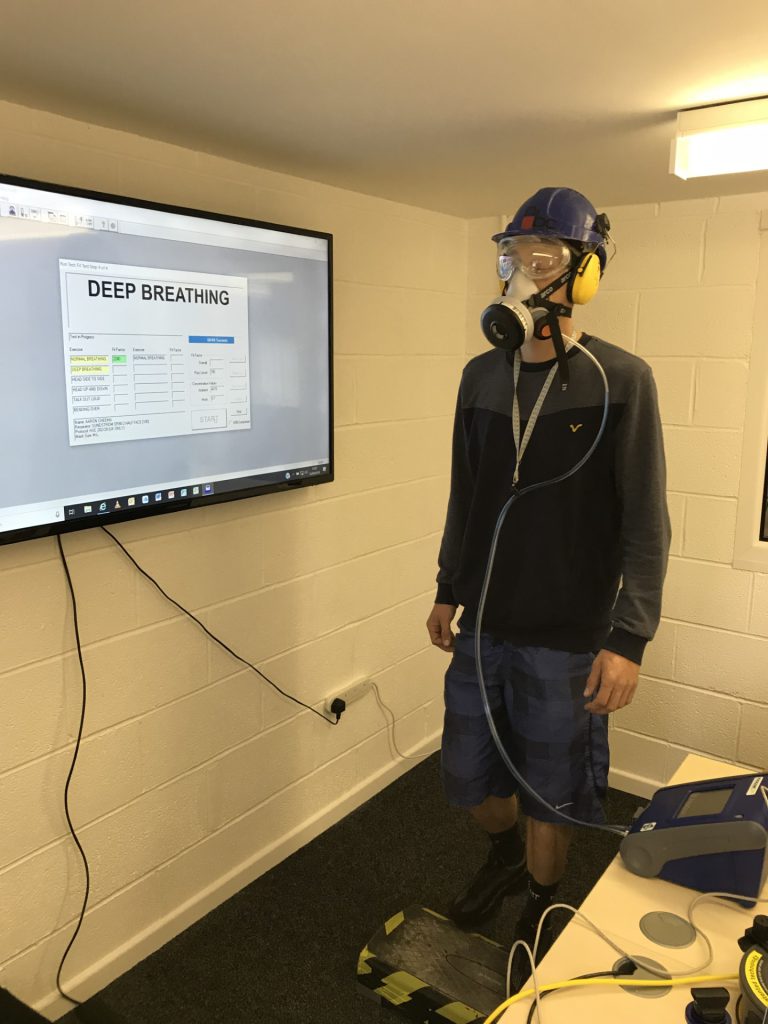
Respirator Face Fit Testing
Fit2Fit accredited

Breathing Air Quality Testing
BS EN 12021

LEV Testing
Thorough examination and testing • HSG258
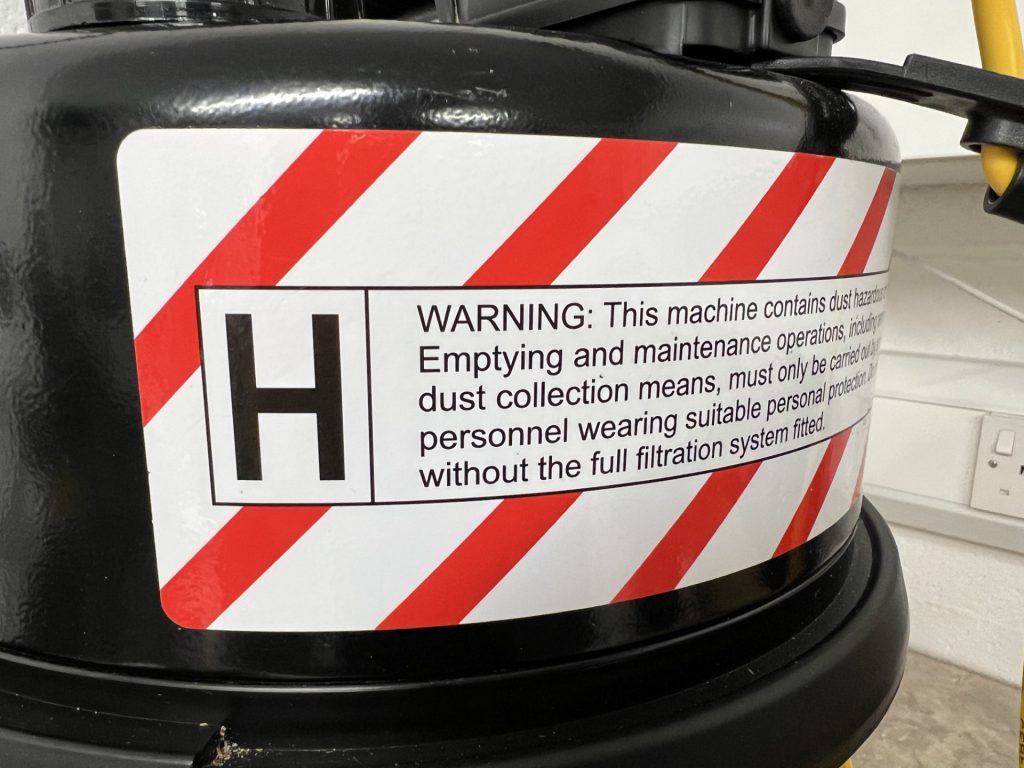
DOP Testing
Filter integrity testing

PSSR Examinations
Written Scheme of Examinations
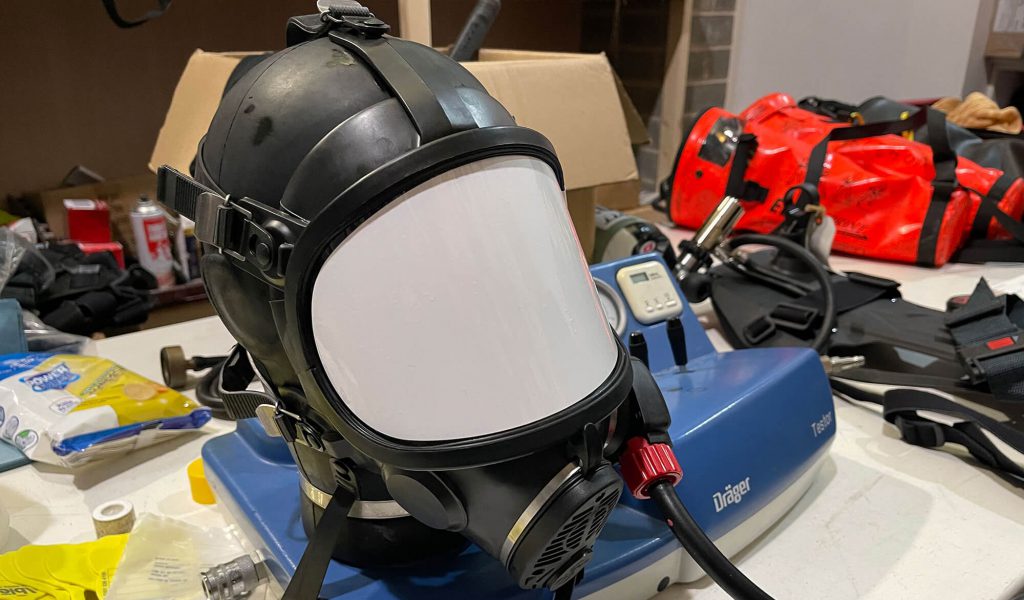
RPE & RPD Servicing
Respiratory equipment examination and servicing
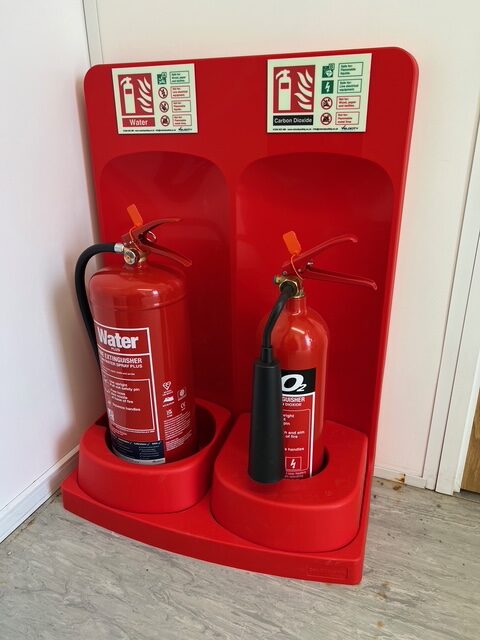
Fire Extinguisher Servicing
Servicing and maintenance

Confined Space Kit
Sales, servicing & repair
What Others Say About Us…
From local authorities to confined space contractors and nationwide FM teams – here’s what people say after trusting us with their safety-critical equipment:
“After many issues with the inspectors from our insurer I contacted Ross to quote. He saved us just over £3000 in the first year. He also does weekends for us to reduce downtime.”
Joe, Civils Company Midlands
“After spending £20k purchasing the wrong powered air units for our factory on our previous PPE supplier/H&S advisors recommendations, Ross came in and told us what we needed, why we needed it and what cost savings could be had over the life of the equipment. I just wish we found him sooner.”
David, Engineering Company North West
“Great Service, Great guy nothing is too much trouble.”
John, Groundworks Company North West
Built for Real Workplaces – and Real People
We work where gas detection matters – where lives and legal duties are on the line. If your team relies on accurate gas monitor readings in high-risk environments, we’ve got you covered.
Construction & civil engineering
Construction & civil engineering
From excavations to tunnels, we provide fast, compliant calibration for confined space entry, gas exposure monitoring, and COSHH compliance.
Confined space teams
Confined space teams
Groundwork contractors, utilities, civil engineers and rescue crews trust us for gas monitor calibration and confined space equipment servicing. We provide calibration certificates to support your equipment records and compliance checks.
Industrial & manufacturing
Industrial & manufacturing
Factories, processing plants and fabrication workshops – we calibrate both portable and fixed gas detection systems used for hazardous gas and fume control.
Utilities & infrastructure
Utilities & infrastructure
Working near water, gas, or power systems? We calibrate detectors used by engineers and maintenance teams across the UK – ensuring accurate readings for confined space or live-network work.
Warehousing & Logistics
Warehousing & Logistics
From LOLER and PAT testing to racking inspections and vibration monitoring – we can include your gas monitor calibration as part of a multi-service compliance visit.
Waste & environmental services
Waste & environmental services
From landfill sites to recycling centres, we calibrate and service gas detectors used for monitoring methane, VOCs, and confined space gases – keeping your teams safe and your reports audit-ready.
FAQs – Gas Monitor & GDU Calibration
Gas detection can feel technical – but staying compliant shouldn’t be confusing.
Below are some of the most common questions we get asked about GDU calibration, testing, and servicing. No jargon. No judgement. Just clear answers to help you stay safe and audit-ready.
Calibration basics
Is gas monitor calibration a legal requirement?
Where gas detection forms part of your safety controls, the equipment needs to be suitable, maintained and working correctly. For confined-space monitoring, HSE guidance calls for calibration and testing in line with manufacturer recommendations or a schedule identified through risk assessment.
Keep calibration records alongside your site procedures. A certificate supports those records, but does not by itself establish that a site is safe to enter.
How often should our gas detectors be calibrated?
Follow the calibration interval specified for your detector and your site risk assessment. If your detector’s instructions specify six months, use that interval unless your risk assessment or operating conditions require earlier calibration.
Sensor type, working conditions and use can affect the schedule. Share your model and how it is used, and we can advise on a suitable calibration plan.
What’s the difference between a bump test and a calibration?
A bump test checks that the detector responds to gas; it does not measure its accuracy. Calibration checks and adjusts the detector’s response using known test-gas concentrations and provides traceable results. Follow the manufacturer’s instructions and your site procedures for both. Keep calibration records with your equipment documentation.
What happens during a GDU calibration?
We inspect the unit, apply a known concentration of test gas, check the sensor response, adjust the readings where required and verify stability before issuing certification. If the detector needs a sensor, filter or repair, we’ll quote before carrying out any additional work.
Your equipment
What gases can you calibrate for?
We calibrate for common industrial gases including O₂, CO, H₂S, and LEL (flammable gases), using manufacturer-specified test concentrations. Multi-gas detectors are adjusted and verified against all active sensors. We can also handle specialist mixes (e.g. NO₂, SO₂, VOCs) used in industrial and environmental applications.
What brands and units do you work with?
We regularly calibrate MSA, Dräger, BW Honeywell (including Microclip units), Crowcon, MultiRAE and more. If your model isn’t listed, just ask – we can usually accommodate it or suggest a suitable alternative.
What if my detector needs a sensor or filter replacement?
We’ll flag any issues during inspection and send you a no-obligation quote. We don’t replace parts without permission – no hidden charges, no surprises.
How is calibration different for fixed gas detection systems?
Fixed gas detection systems require full functional verification and flow-rate checks as part of calibration. We test alarm setpoints, check response times, and ensure your system communicates correctly with control panels or alarm beacons.
Can you calibrate detectors used in confined spaces or high-risk zones?
Yes. We work with contractors, engineers and health and safety leads managing high-risk sites. We calibrate against the relevant manufacturer requirements and provide records for your equipment files.
The detector’s suitability, gas selection and entry procedures must also match your site risk assessment. Calibration alone is not clearance to enter a confined space.
Bookings & visits
Can you calibrate multiple gas monitors or GDUs in one visit?
Yes. We regularly calibrate multiple gas monitors and GDUs during a single visit.
This is ideal for sites with several detectors, safety managers overseeing multiple teams, or organisations managing equipment across different departments.
We’ll plan the visit to minimise downtime and can combine calibration with other compliance services where required.
Can you carry out calibrations on-site?
Yes. We offer fully mobile GDU calibration across the UK. We’ll come to your site, minimise disruption, and handle everything on the day – certificates included.
How quickly can you complete a calibration?
Workshop turnarounds typically take 2–5 working days. For urgent jobs, we aim to complete fast-track calibration within 24 hours, subject to availability. Contact us to confirm the turnaround for your equipment or arrange an on-site visit.
Can you combine calibration with other safety checks?
Yes. Many clients schedule gas monitor calibration alongside Face Fit Testing, LEV Testing or Breathing Air Quality Testing. It’s a simple way to reduce downtime and keep multiple compliance requirements up to date in one visit.
Certificates & coverage
Do you provide calibration certificates for audits or insurance?
Yes. Every calibration includes a digital certificate with test results, gas types used, engineer ID, calibration date, next due date and traceability to national standards. These records are suitable for audits, insurance checks, confined space permits and internal compliance files.
Will I receive a calibration certificate?
Absolutely. Every calibration includes a digital certificate showing test results, gas types used, engineer ID, and compliance to relevant standards – perfect for audits.
Can you remind us when calibrations are due again?
Yes – we track your equipment’s due dates and notify you ahead of time, so you don’t fall out of compliance or scramble for paperwork.
Do you offer GDU calibration in the North West?
Yes – Velocity Safety provides Gas Detection Unit calibration across the North West, including Blackburn, Preston, Bolton, Manchester, Burnley, and Lancaster. Our engineers offer on-site visits or fast courier turnaround from our Blackburn calibration workshop, with certificates issued the same day where possible
We also support national frameworks and multi-site clients across the UK.
Do you offer gas detector calibration nationwide?
Absolutely. We calibrate Gas Detection Units (GDUs) for teams across the UK – from Leeds and Birmingham to Dundee and Aberdeen. Whether your site is in Yorkshire, Scotland, or the South East, our mobile engineers can attend on-site or handle courier-based calibration through our Blackburn facility.
Arrange your calibration
Tell us about your gas monitors or GDUs. We’ll help you arrange a workshop service or an on-site visit.
Request a quote
Fields marked * are required.
Talk to the team
Not sure what you need? Call or email and we’ll help.
Blackburn workshop
Velocity SafetyUnit 7 Whitebirk Enterprise Centre
Lower Phillips Road
Blackburn, Lancashire
BB1 5UD