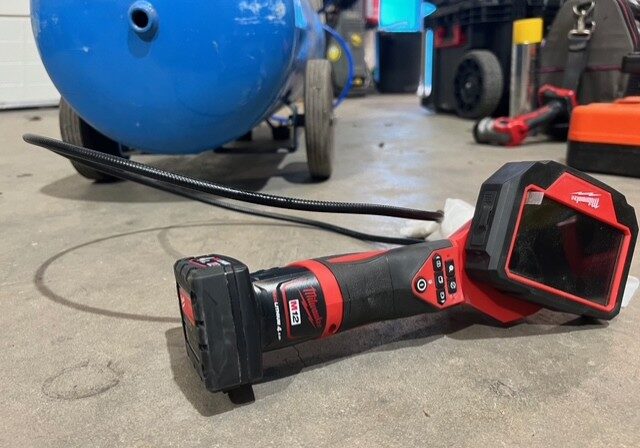
Compressor with Milwaukee camera

Air Receivers and PSSR: What You Need to Know to Stay Compliant

Many compressors and their air receivers don’t get the proper maintenance or examination routines they legally require.

Part of the reason? The Pressure Systems Safety Regulations 2000 (PSSR 2000) isn’t a regulation many companies, health & safety managers, or consultants are familiar with – maybe because it’s “not sexy enough.”

Key Takeaways – Air Receivers and PSSR Compliance

  • If your compressor’s air receiver exceeds 250 bar litres (pressure × volume), PSSR 2000 applies and you need a Written Scheme of Examination (WSE).
  • Below 250 bar litres, PSSR may not apply – but PUWER still does, so you must keep equipment safe and maintained.
  • Proper examinations include gauge and safety valve testing, internal inspections, and checks by a competent person.
  • Visual checks alone are not enough to stay compliant or protect against over-pressurisation risks.

When Does PSSR Apply?

Under PSSR 2000, the key trigger point is 250 bar litres – calculated as pressure (in bar) multiplied by internal volume (in litres).

If your compressor’s air receiver exceeds this 250 bar litre threshold, you must have a Written Scheme of Examination (WSE) in place before the system is used.

If it’s below that threshold, PSSR doesn’t apply – but you still need to comply with the Provision and Use of Work Equipment Regulations 1998 (PUWER), which require equipment to be maintained in a safe condition.

What Does a Proper Examination Involve?

A thorough inspection of your air receiver should go well beyond a quick walk-round. A competent examination includes:

  • Removal and accuracy testing of gauges against calibrated reference meters across their full working range.
  • Removal and pressure testing of safety valves to ensure they vent (“lift”) at the correct pressure.
  • Internal examinations to check for corrosion, wear, or damage that could weaken the vessel.
  • Additional checks and observations by a competent person – including pipework, drains, and associated safety devices where relevant.

These checks are then documented within the WSE and inspection report – creating a clear record for audits, insurers, and the HSE.

Why Visual Checks Alone Aren’t Enough

We often find companies trying to do in-house checks based on visual inspections or generic checklists. That won’t cut it if you want to stay compliant and safe.

Issues like internal corrosion, safety valves lifting at the wrong pressure, or gauges reading inaccurately cannot be identified from a quick look at the outside of the vessel.

You can complete examinations in-house – but only if you have the right expertise, calibrated equipment, and a competent person who understands PSSR requirements. If not, it’s wise to get professional help.

How Velocity Safety Can Help

Our team offers full PSSR 2000 examination and Written Scheme of Examination (WSE) services – from gauge calibration and valve testing to comprehensive internal examinations.

We help you stay safe, compliant, and audit-ready by:

  • Reviewing your compressors and air receivers against the 250 bar litre threshold.
  • Arranging or advising on a compliant Written Scheme of Examination.
  • Carrying out on-site inspections, internal checks, and safety device testing.
  • Providing clear reports and certification for your records.

For expert help with your air receiver inspections or to book a Written Scheme of Examination, contact Ross at ross@velocitysafety.co.uk or call 01254 933 486.

Book a PSSR Air Receiver Examination

Unsure whether your compressors fall under PSSR – or when they were last properly examined? We can review your setup, arrange a WSE, and complete full PSSR examinations so you’re compliant and protected.

📞 Call: 01254 933 486
📩 Email: info@velocitysafety.co.uk
🌐 Or request a PSSR inspection online

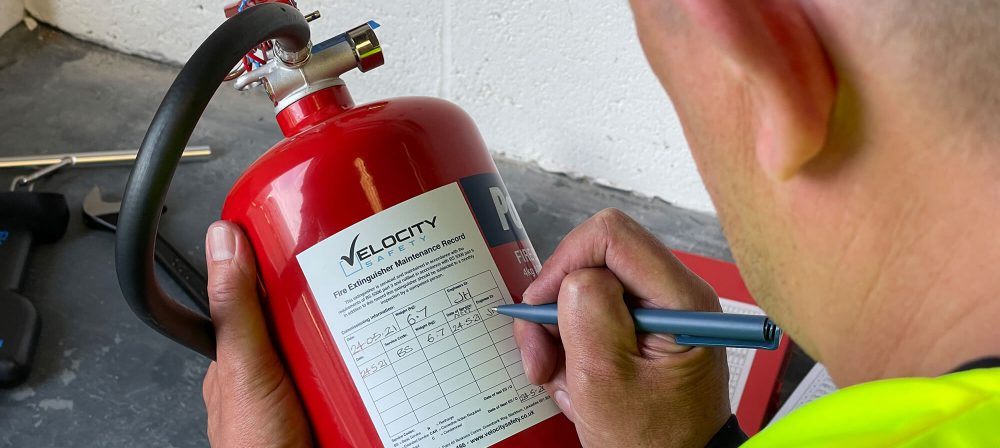
Fire Extinguisher Inspection

How Velocity Safety Delivered Emergency Fire Extinguisher Commissioning in Under 18 Hours

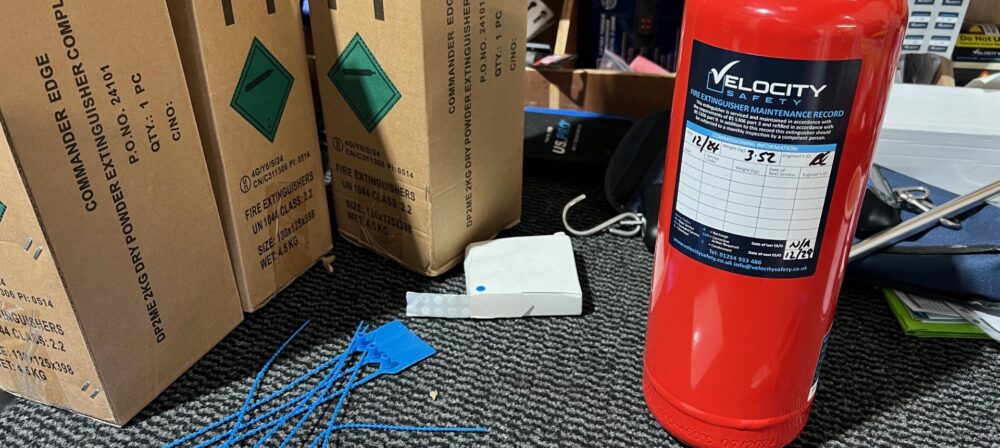
Late Friday afternoon, a client contacted us needing urgent commissioning of new fire extinguishers for a site they were working on.

They hadn’t realised that newly purchased extinguishers must be commissioned before use – a point that had been flagged in an audit requiring immediate resolution.

Key Takeaways – Emergency Fire Extinguisher Commissioning

  • Commissioning is a mandatory step before extinguishers can be used on site.
  • Improperly stored or sited extinguishers can corrode and become unsafe within months.
  • Velocity Safety completed full replacement and commissioning within 18 hours of the initial request.
  • Our team provided cost savings by reusing safe components and reducing waste.

What We Found On Site

Upon arrival, our team discovered defects in the extinguishers purchased within the last six months. The units had been improperly sited and had started corroding due to site damage. Given that these extinguishers are pressurised, this posed a significant safety hazard.

Our Response

We conducted a quick survey, collected replacement extinguishers and trolleys from our stock, and returned promptly to commission and correctly site the equipment. By 12:30pm the next day – within 18 hours of the initial request – the job was complete.

We also managed to reuse several rotary bells already on site, saving the client money and reducing waste.

We provide full fire extinguisher servicing and commissioning to ensure your equipment is correctly installed, compliant, and safe – including thorough site surveys and defect rectification.

Why Companies Choose Velocity Safety

  • Flexible and reactive service
  • Cost-effective solutions
  • Added value beyond the brief (e.g. six-monthly inspection on fork attachments)
  • A dry sense of humour as standard
  • No hassle – just efficient, expert service

Need Rapid Fire Extinguisher Support?

If you need fast, reliable fire safety service, get in touch with Velocity Safety. We handle commissioning, extinguisher servicing, site surveys, and more – with speed and care.

Book Fire Extinguisher Commissioning or Servicing

Need urgent or routine extinguisher commissioning? Our engineers operate across the North West and can provide same-day or next-day support when required.

📞 Call: 01254 933 486
📩 Email: info@velocitysafety.co.uk
🌐 Or book your service online

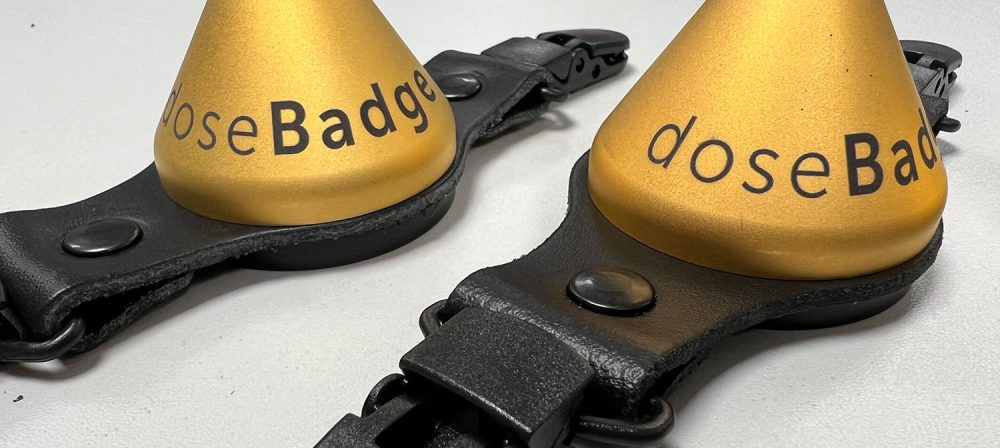
Dosimeters doseBadge

Personal Noise Dosimeters for Workplace Noise Monitoring

Not all workers are exposed to the same levels of noise – yet most assessments treat them as if they are. That’s where personal noise dosimeters like the doseBadge come in.

Traditional noise assessments offer a useful snapshot, but they don’t always reflect the real-world variation between individual roles, shifts, or tasks. And if you’re trying to stay compliant with the Control of Noise at Work Regulations 2005, accurate exposure tracking is non-negotiable.

Why Individual Noise Monitoring Matters

Workplace noise isn’t always consistent. One person may be exposed to high-impact tools, another to ongoing background machinery. A standard noise map won’t always capture these nuances.

Personal dosimeters bridge the gap.

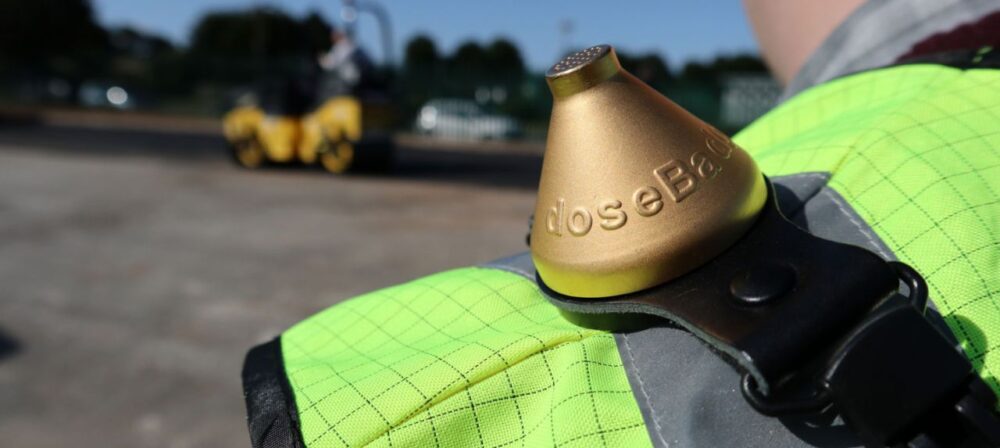
These shoulder-mounted monitors track noise exposure for each worker throughout their shift. That means:

  • Better data for compliance
  • Clearer identification of who’s at risk
  • Smarter decisions on hearing protection

What Makes the doseBadge Stand Out?

We use the doseBadge Noise Dosimeter from Cirrus Research – one of the most trusted models in the industry. Here’s why it’s different:

  • No cables, buttons, or displays – reducing the risk of damage or tampering
  • Lightweight and wearable – clips discreetly to the shoulder
  • Rugged, tamper-resistant metal case – ideal for harsh environments
  • Intrinsically safe version available – suitable for use in hazardous or explosive zones

When Should You Use a Personal Noise Dosimeter?

  • Workers rotate tasks or move between noise zones
  • Machinery is used intermittently
  • Sites include demolition, manufacturing, or construction environments
  • Standard measurements don’t capture enough detail

Our Approach to Noise Risk

At Velocity Safety, we offer full Noise at Work assessments including personal dosimetry where needed. Whether you’re looking for a one-off report or long-term monitoring support, we’ll:

  • Measure real-world noise exposure
  • Recommend practical hearing protection
  • Help you meet HSE expectations
  • Provide legally compliant documentation

Book Workplace Noise Monitoring

Stay compliant with the Control of Noise at Work Regulations 2005 – and protect your people with accurate, real-world exposure data.

📞 Call: 01254 933 486
📩 Email: info@velocitysafety.co.uk
🌐 Or get a quote online

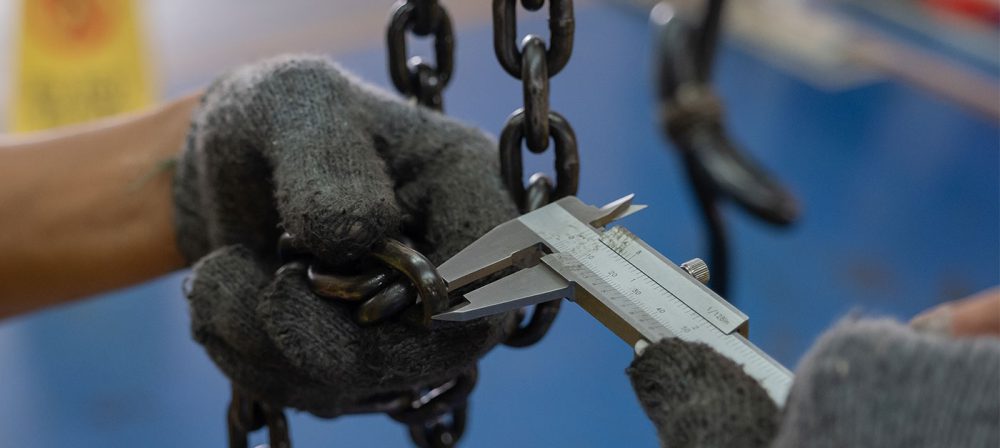
Lifting Engineer with Vernier Calipers

Lifting Chain Examinations: Why Surface Rust Matters

Thorough examinations of lifting accessories are exactly that – thorough. When lifting chains are covered in surface rust, a simple visual inspection isn’t enough. Rust makes it harder to spot wear, cracks, or damage that could compromise safety.

Unfortunately, many companies don’t have anyone in-house trained or equipped to perform this essential maintenance – even though LOLER requires regular, competent examinations of lifting equipment and accessories.

Key Takeaways – Lifting Chain Examinations

  • Surface rust isn’t just cosmetic – it can hide wear, damage, and cracks in lifting chains.
  • Thorough examinations require cleaning, close inspection, and appropriate lubrication.
  • Proper maintenance supports LOLER compliance and extends the life of lifting accessories.
  • Velocity Safety provides thorough examinations of lifting accessories under LOLER.

The Importance of Thorough Lifting Chain Examinations

Lifting chains operate in tough environments – exposed to moisture, dirt, impact, and heavy loads. Over time, this leads to corrosion and surface rust. While some rust is expected, the danger comes when it obscures underlying damage.

Surface rust can hide:

  • Cracks or fractures in individual links
  • Excessive wear, flattening, or elongation
  • Previous damage from shock loading or misuse

A quick visual once-over isn’t enough. To ensure chains remain safe to use, LOLER thorough examinations must be carried out by a competent person who can properly clean, inspect, and assess each component.

What We Do Differently at Velocity Safety

Our approach goes far beyond a basic visual inspection. During a thorough examination of lifting accessories, we:

  • Clean chains to remove surface rust and debris so underlying metal can be clearly assessed.
  • Examine each link carefully, not just a quick glance across the whole chain.
  • Apply light oil to protect the chain from further corrosion for several months after inspection.
  • Lubricate hook springs and latches to ensure smooth and reliable operation under load.

This process gives you a clear view of the true condition of your lifting equipment – and evidence that you are meeting your LOLER duties.

Why This Level of Detail Matters

Proper maintenance and thorough examinations deliver benefits well beyond “passing an inspection”:

  • Extended equipment life: Clean, lubricated chains and hooks last longer and perform more reliably.
  • Reduced downtime: Early identification of wear or damage allows planned repairs instead of unexpected failures.
  • Improved safety: Workers are protected from preventable accidents caused by unseen damage or degraded components.
  • Regulatory compliance: You can demonstrate that lifting accessories are examined and maintained in line with LOLER requirements.

Need Your Lifting Accessories Examined?

If you have chains, slings, or other lifting gear due for inspection or maintenance, our technicians can help. We provide thorough examinations compliant with LOLER regulations, with clear reporting and tagging so you know exactly what’s safe to keep in service.

Book a Thorough Examination of Lifting Accessories

Need confidence that your lifting chains and accessories are safe, compliant, and properly maintained?

Contact Ross to book a LOLER inspection or discuss your requirements:

📞 Call: 01254 933 486
📩 Email: ross@velocitysafety.co.uk

Fire Extinguisher Inspection

How Often Should Fire Extinguishers Be Checked?

Fire extinguishers are life safety equipment. To stay compliant, they need routine visual checks, regular servicing by a competent person and clear records showing they have been maintained properly.

The problem is: most workplaces only think about extinguishers once a year, when the engineer turns up.

In reality, UK businesses have three separate obligations:

  • Monthly visual checks
  • Annual servicing by a competent technician
  • 5-year and 10-year safety tests, depending on extinguisher type

This guide explains exactly what each interval involves, who is responsible, and how to stay compliant without over-complicating things.

Jump to

Quick Answer: Required Fire Extinguisher Checks in the UK

  • Monthly – A visual inspection carried out by the Responsible Person.
  • Every 12 months – A basic service by a competent fire extinguisher technician (BS 5306-3).
  • Every 5 years – An extended service for water, foam, powder and wet chemical extinguishers (discharge test + internal inspection).
  • Every 10 years – A CO₂ overhaul (hydraulic pressure test at an approved centre).
  • At any time – Replace extinguishers that are damaged, fail a test, or become unsuitable for the risk.

Two key documents shape fire extinguisher maintenance in UK workplaces:

Regulatory Reform (Fire Safety) Order 2005

The Responsible Person must ensure the premises are equipped with appropriate fire-fighting equipment and that equipment is subject to a suitable system of maintenance. Article 17 requires fire precautions to be maintained in an efficient state, in efficient working order and in good repair.

BS 5306-3

BS 5306-3 is the recognised British Standard for commissioning and maintaining portable fire extinguishers. It sets out the expected servicing approach, competence requirements and documentation standards used by fire engineers, auditors and insurers.

In practical terms, if you have extinguishers on site, you need a maintenance system that includes routine in-house checks, regular servicing by a competent person and clear records showing the equipment remains suitable and operational.

The Fire Safety Order does not name a specific 12-month servicing interval. It requires fire safety equipment to be maintained in an efficient state, in efficient working order and in good repair.

In practice, annual servicing is the recognised standard for portable fire extinguishers in UK workplaces. BAFE guidance states that a basic fire extinguisher service should be performed for all extinguishers at least annually.

Annual servicing by a competent person gives the Responsible Person evidence that extinguishers have been checked, maintained and documented in line with recognised British Standards and industry expectations.

If you have extinguishers on site, annual servicing is the practical route to demonstrating that your maintenance duties are being met.

At-a-Glance Servicing Schedule

A simple summary of how often each extinguisher needs attention:

Extinguisher Type Monthly Check Basic 12-Month Service Extended Service 10-Year Overhaul
Water / Water Additive Every year Every 5 years
Foam (AFFF) Every year Every 5 years
Dry Powder (ABC / M28) Every year Every 5 years
Dry Powder (Primary Sealed) Every year Every 10 years
Wet Chemical Every year Every 5 years
Clean Agent / Specialist Gas Every year Every 10 years
CO₂ Every year Every 10 years (hydraulic test)
P50 / Composite “Service-Free” Annual in-house visual check Label update only Not required Replace at manufacturer’s lifespan

What Is the British Standard for Fire Extinguisher Servicing?

Several parts of BS 5306 apply to extinguishers:

Together, these standards form the accepted benchmark for extinguisher safety in the UK – and are the documents fire engineers, auditors and insurers work from.

Fire Extinguisher Inspection Requirements in the UK

Fire extinguisher inspection is not one single activity. In most UK workplaces, it is split into routine visual checks, annual servicing and periodic extended servicing or overhaul.

  • Monthly visual checks: usually completed in-house by the Responsible Person or a nominated competent person.
  • Annual servicing: completed by a competent fire extinguisher technician.
  • Extended servicing: completed at the required interval depending on extinguisher type.
  • CO₂ pressure testing: carried out at the appropriate 10-year interval for CO₂ cylinders.

This layered approach helps demonstrate that extinguishers are visible, accessible, suitable, pressurised, undamaged, correctly recorded and maintained in line with recognised standards.

Monthly Visual Checks (Your Responsibility In-House)

BS 5306-3 requires monthly visual inspections carried out by the Responsible Person or anyone competent internally. You don’t need a fire engineer – just someone who knows what to look for.

Your monthly check should confirm:

1. The extinguisher is in the correct location

  • On a wall bracket, stand or fire point
  • Signage in place
  • Visible, accessible and not used as a doorstop

(You’d be surprised how often this gets flagged.)

2. The extinguisher is intact and hasn’t been tampered with

Look for:

  • Broken or missing safety pins
  • Broken seals
  • Damaged or loose handles
  • Leaks, rust or corrosion
  • Hose/horn cracks or blockages

3. The pressure gauge is in the green

Where applicable.

4. The extinguisher feels full

A quick lift test is acceptable for monthly checks.

5. Labels and instructions are readable

Faded, missing, or peeled labels are a service failure.

6. Powder extinguishers are free-flowing

Invert gently. If the powder is compacted, it will not discharge correctly.

7. You update the logbook

This is the one bit 90% of workplaces forget – and it’s the first thing auditors ask for.

Annual Basic Service (By a Competent Fire Extinguisher Technician)

Once every 12 months, extinguishers must receive a BS 5306-3 basic service carried out by a third-party accredited and competent engineer – typically BAFE SP101 registered.

This annual service includes:

  • Full external inspection for corrosion, dents or mechanical damage
  • Checking the extinguisher’s weight
  • Checking internal pressure
  • Inspection of the hose, horn and nozzle
  • Verifying the correct location and suitability for the risk
  • Checking the service pin, seal and headcap
  • Replacing components if required
  • Updating the service label and logbook

Good engineers also fix siting issues rather than just tagging what’s there.

Extended Fire Extinguisher Service (Every 5 Years)

Applies to: water, foam, dry powder and wet chemical extinguishers.

This is where a lot of businesses get caught out – because extended servicing isn’t just a “bigger version” of the annual check.

It involves:

  • Fully discharging the extinguisher
  • Inspecting the inside for corrosion, pitting, contamination or liner damage
  • Replacing valves and O-rings
  • Refilling and repressurising
  • Carrying out a full functional test
  • Re-applying service labels and documentation

If the extinguisher fails any part of this, it must be replaced.

Testing vs Servicing – What’s the Difference?

Businesses often use “check”, “test” and “service” interchangeably, but BS 5306 treats them very differently:

  • Monthly checks – quick visual inspection by the Responsible Person.
  • Annual service – maintenance carried out by a competent technician.
  • Extended service (every 5 years) – a full functional test, including discharging and internally examining the extinguisher.
  • CO₂ overhaul (every 10 years) – a hydraulic pressure test at an approved centre.

Understanding this difference helps ensure the right work is carried out at the right time – and avoids failed audits or invalid insurance claims.

CO₂ Extinguisher Overhaul (Every 10 Years)

CO₂ cylinders are high-pressure vessels and require a hydraulic test at an approved test centre every 10 years.

The engineer will:

  • Remove the valve
  • Send the cylinder for stretch-testing
  • Replace the valve with a new approved unit
  • Pressure test
  • Inspect for damage
  • Reassemble and certify

Very often, replacement is more economical than overhaul – but that depends on the unit and usage environment.

When Should You Replace a Fire Extinguisher Early?

Regardless of age, extinguishers should be replaced if:

  • They fail an extended service or pressure test
  • They are heavily corroded or dented
  • The hose is perished or cracked
  • Valves are damaged
  • They have been discharged and are beyond economical refill
  • The extinguisher type is no longer appropriate for the risk
  • Manufacturer support/parts are discontinued
  • You’re transitioning away from PFAS foam units

An extinguisher can technically last up to 20 years if maintained properly, but many industrial environments need replacements much sooner.

Documentation, Audits and Insurance

Fire risk assessors, insurers and enforcing authorities will expect to see:

  • A current fire extinguisher logbook
  • Monthly check records
  • Evidence of annual services
  • Proof of 5-year and 10-year extended servicing
  • Correct siting and selection
  • Up-to-date service labels
  • No expired, damaged or missing extinguishers
  • Matching extinguishers to risks (Class A/B/F, electrical, etc.)

Missed servicing doesn’t just risk enforcement action – insurers may challenge claims where life-saving equipment wasn’t maintained.

Rules for Fire Extinguishers in the UK (Simple Overview)

For workplaces, the core rules can be summarised as:

This is what auditors, insurers and fire risk assessors will measure compliance against.

How Velocity Safety Can Help

Velocity Safety provides:

We keep your site compliant, audit-ready and running without downtime.

FAQs

Got specific questions about extinguisher checks and servicing? These quick answers cover the issues UK workplaces ask most often – from legal duties to lifespan, testing intervals and replacement rules.

Is it a legal requirement to have fire extinguishers checked annually?

Yes. The RRO requires equipment to be “maintained”, and BS 5306-3 is the recognised British Standard used to define the expected maintenance approach, including regular servicing by a competent person. This is what enforcement bodies and insurers expect.

Will a 20-year-old fire extinguisher still work?

Possibly, but age alone is not enough to prove it is safe or compliant. A very old extinguisher would need to have a clear service history, pass the required checks and remain suitable for the risk. In many cases, replacement is more practical than continued servicing, especially where the cylinder is corroded, parts are unavailable or documentation is incomplete.

Do fire extinguishers need to be checked every 60 days?

No. In the UK, monthly visual checks are sufficient.

The 60-day interval appears in some US-based NFPA guidance, not British Standards.

Do fire extinguishers need to be tested annually?

Not “tested”, but serviced annually.

The only formal “tests” are:

  • 5-year discharge & internal inspection
  • 10-year CO₂ hydraulic test

How often should fire extinguishers undergo a maintenance test?

Portable fire extinguishers should receive a basic service at least annually by a competent person. Depending on the extinguisher type, an extended service or overhaul may also be required at the appropriate 5-year or 10-year interval.

What should be done every month to a fire extinguisher?

A monthly visual check should confirm that the extinguisher is in the right place, visible, accessible, undamaged, correctly labelled, showing the correct pressure where applicable, and recorded in the fire logbook.

How long is a fire extinguisher inspection valid for?

A professional basic service is normally valid for 12 months, provided the extinguisher is not damaged, discharged, tampered with or affected by a change in risk. Monthly visual checks should continue between annual services.

How often should an outdoor fire extinguisher be checked?

Outdoor extinguishers should still be visually checked at least monthly, but harsh environments may justify more frequent checks. Weather exposure, corrosion, vandalism, freezing risk and cabinet condition should all be considered.

How often should fire extinguishers be checked according to HSE?

HSE follows the same principle as the RRO: extinguishers must be maintained and remain in good working order. In practice, this means monthly checks + annual servicing in line with BS 5306-3.

Will the fire department give me a free fire extinguisher?

No. UK fire services do not supply free extinguishers. Businesses and landlords must purchase and maintain their own equipment.

When should extinguishers be replaced instead of tested?

Replace when:

  • They fail a discharge or pressure test
  • They’re corroded or dented
  • Valves or hoses are damaged
  • They’re no longer suitable for the risk
  • Manufacturer support or parts are discontinued
  • The extinguisher reaches end-of-life guidance or fails documentation checks
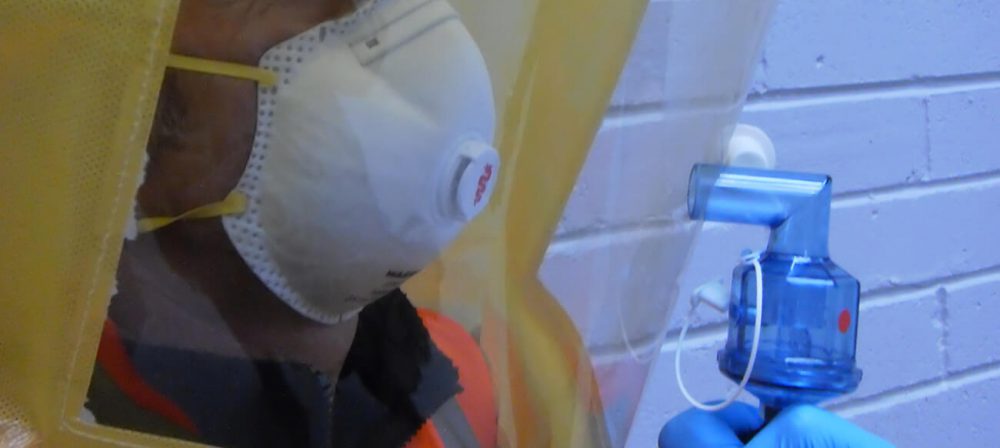
Face Fit Test In Action

What Does a Face Fit Test Involve?

“Face fit testing can feel like a mystery if you’ve never been through one.”

People often worry about whether they’ll “taste chemicals”, whether the machine will hurt, or whether they can fail because they’ve shaved badly that morning.

In reality, a face fit test is a straightforward, practical check that confirms whether a respirator actually seals to your face. It follows a recognised fit-testing protocol set out in HSE guidance and usually takes no more than 20–45 minutes.

This guide sets out exactly what happens before, during and after a face fit test – whether you’re having a qualitative (“taste test”) or quantitative (instrument-based) assessment.

Quick Answer: What does a face fit test involve?

A face fit test checks whether a specific tight-fitting respirator forms an effective seal on an individual wearer. The tester checks the mask, confirms the wearer is clean-shaven in the seal area and guides them through a series of breathing, talking and movement exercises while leakage is assessed using either a qualitative taste test or a quantitative instrument.

The result applies only to the exact make, model and size of mask tested.

Key takeaways

  • Face fit testing checks whether a tight-fitting respirator properly seals to an individual’s face.
  • Tests follow approved qualitative (“taste test”) or quantitative (instrument-based) methods under HSE INDG479.
  • Workers must be clean-shaven in the seal area for tight-fitting RPE; stubble, beards and some moustaches will cause a fail.
  • The mask used in the test must be the exact make, model and size worn on the job – changing any of these requires a new test.
  • A full test includes breathing and movement exercises, plus a pre-use mask check and a user seal check.
  • Qualitative tests use a bitter or sweet aerosol and give a simple pass/fail.
  • Quantitative tests use an instrument (e.g., Portacount) to produce a numerical fit factor and detect very small leaks.
  • Employers should keep clear fit test records identifying the wearer, facepiece, method, result and tester.
  • A passed test does not replace daily user seal checks or proper RPE maintenance.
  • Workers who cannot achieve a seal may need loose-fitting hoods or helmets instead of tight-fitting masks.

Jump to

Why a face fit test is needed

Tight-fitting RPE only works if the seal stays intact. Even small leaks let contaminated air bypass the filter and be inhaled.

Because people’s faces differ – and so do mask shapes, sizes and models – no respirator can be assumed to fit. A face fit test provides documented evidence that the chosen model is suitable for the wearer and that they can put it on correctly.

Loose-fitting hoods and helmets do not require face fit testing, because they rely on a flow of clean air rather than a tight seal. They still need to be correctly selected, used and maintained under your RPE programme.

Who should have a face fit test?

Any worker who relies on tight-fitting RPE as part of your control measures under COSHH and related regulations should be fit tested, for example:

  • Engineers using FFP2/FFP3 masks in dusty or contaminated areas
  • Maintenance staff using half masks with filters
  • Staff wearing full-face masks for higher hazard work

Agency staff and contractors who use tight-fitting masks under your control measures still need suitable fit testing; how you arrange it is a practical and contractual question.

What does a face fit test check?

A face fit test checks whether a specific tight-fitting respirator can form and maintain an adequate seal on the individual wearer’s face.

It does not test the worker’s lung function, diagnose a medical condition or prove that every mask will fit them.

The test looks for:

  • Facepiece suitability: Whether the make, model and size are compatible with the wearer’s facial shape.
  • Seal integrity: Whether contaminated air could leak between the face and the mask seal.
  • Fit during movement: Whether the seal remains effective while the wearer breathes, talks, turns their head, looks up and down and bends or steps.
  • Correct fitting: Whether the wearer can put the respirator on, adjust it and position the straps correctly.
  • Compatibility with other PPE: Whether glasses, goggles, helmets, visors or other equipment interfere with the seal or straps.
  • Mask-specific performance: Whether that exact make, model, size and configuration achieves the required result for that wearer.
Important: A face fit test is different from a medical FIT test used for bowel screening. In workplace safety, fit testing refers to checking the seal of tight-fitting respiratory protective equipment.

What happens before the test

A competent tester will go through several checks before the fit test begins.

1. A short health and suitability questionnaire

This confirms the worker is medically suitable for the mask type (for example, no unmanaged respiratory issues) and that they understand what will happen during the test.

If someone has a known allergy or asthma, the tester may need to adjust the method or use quantitative testing instead of a taste-based test.

2. Confirming the mask model, size and filters

The mask used during the test must be identical to the one the worker will actually wear at work:

  • Same make and model
  • Same size
  • Same filter or cartridge type

Using a different size, model or brand invalidates the result and means another test is required.

3. Clean-shaven requirement (tight-fitting masks only)

HSE is clear: stubble, beards and facial hair in the seal area prevent a reliable fit and will cause the test to fail.

For tight-fitting masks:

  • Workers must be clean-shaven in the seal area on the day
  • Beard nets, barriers or mask liners cannot be used to “get around” this
  • Workers who cannot shave normally need suitable loose-fitting RPE instead

4. Pre-use RPE check

The tester inspects the mask to make sure it’s safe and suitable:

  • Straps and buckles
  • Face seal condition
  • Valve condition (for half/full-face masks)
  • Filter compatibility and expiry

The wearer is also shown how to don the mask correctly and carry out a user seal check – the simple check they should perform every time they put the mask on.

Interaction with other PPE

Any PPE normally worn with the mask (for example safety glasses, visors or helmets) must be worn during the test. Eye protection that breaks the seal or interferes with strap placement will cause the test to fail, so compatibility is assessed at this stage.

5. Preparation rules for the wearer

To get a valid result, most qualitative test protocols ask the wearer to:

  • Avoid smoking or vaping for at least 1 hour before testing
  • Avoid eating, chewing gum, sweets, mints or flavoured drinks for 15–30 minutes
  • Avoid strong flavours (mints, coffee, spicy food) immediately before a taste test
  • Be well enough to take part (no acute respiratory illness)

For qualitative tests, the wearer also needs a normal sense of taste. If their sense of taste is significantly reduced (for example due to illness or medication), a quantitative method is usually more appropriate.

Qualitative “hood” testing may not be suitable for some people with asthma or certain respiratory conditions. If the wearer cannot tolerate aerosols, is pregnant, or has respiratory conditions that make hood testing unsuitable, a quantitative method is normally used instead.

What happens during a face fit test

There are two recognised methods – both valid under HSE INDG479.

Qualitative vs quantitative face fit testing

Both methods check whether a respirator fits the individual wearer, but they assess leakage in different ways and are suitable for different facepieces.

Fit Test Method How It Works Suitable For Result
Qualitative face fit testing A bitter or sweet aerosol is introduced inside a hood while the wearer completes the test exercises. Detecting the taste indicates leakage. Disposable filtering facepieces and reusable half masks, subject to the test method and required protection level. Pass or fail.
Quantitative face fit testing An instrument measures leakage or the concentration of particles inside and outside the facepiece while the wearer completes the exercises. Disposable masks, reusable half masks and full-face masks, depending on the quantitative method used. Numerical fit factor and pass or fail.

The appropriate method depends on the mask type, required protection and the wearer’s circumstances.

1. Qualitative face fit testing (QLFT) – “taste test”

This is a pass/fail test used for:

  • FFP1/FFP2/FFP3 disposable masks
  • Reusable half masks

It is not suitable for full-face masks.

The sensitivity test

  • Before the mask goes on, the wearer sits under a test hood without RPE.
  • A bitter or sweet aerosol solution (commonly Bitrex for bitter or saccharin for sweet) is sprayed into the hood.
  • The tester records how many sprays it takes for the wearer to taste it.
  • This establishes the wearer’s sensitivity level.

More detail on the solutions used

The solutions used in qualitative testing contain either:

  • Denatonium benzoate (“Bitrex”) – bitter
  • Saccharin – sweet

The sensitivity solution is a weaker concentration used to confirm that the wearer can detect the taste. If they cannot taste it even after 30 squeezes, a qualitative method is not suitable and a quantitative test is required.

The tester will also check the nebuliser is working by removing the intake/exhaust covers and confirming a visible mist before testing begins.

The fit test

The wearer puts the mask on correctly and repeats a standard sequence of exercises under the hood:

  • Normal breathing
  • Deep breathing
  • Turning head side to side
  • Moving head up and down
  • Talking (for example reading a short passage)
  • Bending or stepping
  • Normal breathing again (optional)

If the wearer can taste the solution at any stage, the test fails and the mask is unsuitable for them.

More detail on the exercise protocol

  • The qualitative protocol follows seven standard exercises lasting around one minute each.
  • Every 30 seconds the tester recharges the hood with additional aerosol to maintain a consistent concentration.
  • The talking exercise normally uses the Rainbow Passage (an industry-standard text) but counting backwards from 100 is an acceptable alternative.
  • If the nebuliser stops emitting a visible mist at any point, the test must be restarted for accuracy.

2. Quantitative face fit testing (QNFT) – instrument-based

Suitable for:

  • Disposable FFP masks
  • Reusable half masks
  • Full-face masks

This method uses an instrument such as a Portacount to measure the ratio of particles inside vs outside the mask.

How it works

  • The mask is connected to the instrument via a small sampling tube.
  • The wearer completes the same series of exercises as in the qualitative test.
  • The machine continuously samples air inside the mask.
  • It calculates a fit factor for each exercise and an overall fit factor.
  • The overall fit factor must meet or exceed the required level for the specific mask type.

Why employers choose QNFT

  • It provides objective, numerical evidence.
  • It is the recognised method for full-face masks.
  • It can detect small leaks that may not be picked up by taste tests.
  • It avoids reliance on the wearer’s sense of taste.

Mask variability and leak detection

A major advantage of quantitative testing is its ability to detect very small leaks – including those caused by:

  • Facial hair or stubble
  • Certain mask designs that fit inconsistently across face shapes
  • Hard or narrow face seals
  • Movement that disrupts the seal

Some masks can produce excellent fit factors on one wearer and very low scores on another. Quantitative testing prevents false “passes” that can happen with poorly fitted models.

What happens after the test

The fit test isn’t the end of the process – it’s the point where you finally find out whether the mask you’ve chosen actually works for that person. What happens next is simple: you get a clear pass/fail decision, a compliant report, and practical guidance to keep your team using their RPE correctly day-to-day.

1. Pass or fail explained clearly

The tester will explain the result straight away.

  • Pass: That specific make, model, size and configuration of mask is suitable for that wearer.
  • Fail: The mask does not seal adequately; another model or size is required.

It is common for some people to try more than one mask before finding a good fit. If a wearer fails repeated tests on a particular style, they may need to move to a different mask design or, in some cases, a loose-fitting system.

2. Issuing the fit test report

A compliant face fit test report normally includes:

  • Wearer’s name and role
  • Mask make, model, size and filters
  • Test method used (qualitative/quantitative)
  • Fit factor (for quantitative tests)
  • Pass/fail decision
  • Date of test
  • Recommended retest interval
  • Name of the fit tester and organisation

Employers should retain fit test records as part of their RPE management arrangements and in accordance with the applicable health and safety requirements.

3. Advice on daily use

A successful fit test does not remove the need for good day-to-day practice. Workers still need to:

  • Put the mask on correctly every time
  • Carry out a user seal check each time they don the mask
  • Store and maintain the RPE properly
  • Report any damage or issues immediately

4. Decontamination & hygiene

For qualitative tests, the hood and nebulisers must be cleaned between uses:

  • Disposable masks used during testing should be discarded afterwards.
  • Wearers should wash hands, face and (if applicable) hair to remove residual solution.
  • The hood interior should be wiped with a suitable disinfectant.
  • Nebulisers are usually rinsed or soaked to remove crystallised solution.
  • Equipment must be fully dry before the next test.

This helps prevent cross-contamination and ensures accurate results for the next wearer.

How long does a face fit test take?

Typical durations are:

  • Qualitative tests: around 20–30 minutes per person
  • Quantitative tests: around 30–45 minutes per person

Extra time may be needed if the wearer has to try more than one mask model or size.
For large teams, employers usually book half-day or full-day on-site sessions so several staff can be tested in sequence without disrupting operations.

How employers can prepare for a smooth session

You’ll avoid most delays and retests if you:

  • Ensure staff who use tight-fitting RPE are clean-shaven in the seal area on the day
  • Bring all mask models actually used on site, with the right filters
  • Standardise RPE models where possible, so fewer different masks need to be tested
  • Prepare health questionnaires in advance
  • Allocate a quiet, well-ventilated room with tables and chairs
  • Provide access to water, mirrors and any other PPE (goggles, helmets, visors) staff normally wear with their masks
  • Stagger appointment times to prevent queues and keep people on schedule

Well-prepared teams get faster tests, fewer failures and more reliable results.

Need Face Fit Testing for Your Team?

If you’d like support choosing the right masks, carrying out on-site face fit testing, or building a reliable RPE programme, our team can help. Velocity Safety test workers across construction, manufacturing, facilities management, logistics and more – including full-day workplace visits for larger teams.

📞 Call: 01254 933 486
📩 Email: info@velocitysafety.co.uk
🌐 Or book face fit testing online

Face fit testing FAQs

These are some of the most common questions about what happens during a face fit test, how the results are assessed and what workers need to do before testing.

What is a face fit test?

A face fit test checks whether a specific tight-fitting respirator forms an adequate seal on an individual wearer’s face.

The wearer completes a series of breathing, talking and movement exercises while leakage is assessed using either a qualitative taste test or a quantitative instrument.

What does a face fit test look for?

A face fit test looks for leakage between the respirator seal and the wearer’s face.

It also checks whether the mask remains correctly positioned while the wearer breathes, talks, turns their head, looks up and down and moves during the test exercises.

Why must RPE be face fit tested?

Tight-fitting RPE cannot provide the expected protection if contaminated air leaks around the face seal rather than passing through the filter.

Because facial shapes vary, an employer cannot assume that one make, model or size of respirator will fit every worker. Fit testing confirms whether the selected facepiece is suitable for the individual wearer.

Does a face fit test hurt?

No. Face fit testing is non-invasive.

Some people find the hood, aerosol taste or mask slightly uncomfortable, but neither qualitative nor quantitative testing should be painful.

Will the taste test make me ill?

The sweet or bitter solutions used during qualitative face fit testing are introduced at low concentrations and are used to indicate whether the mask is leaking.

Most people only notice the taste if the face seal is not effective. Anyone with asthma, respiratory sensitivities or concerns about the test solution should tell the tester before the assessment begins.

What do they spray during a face fit test?

Qualitative face fit tests use either a sweet saccharin solution or a bitter denatonium benzoate solution, commonly known as Bitrex.

The solution is introduced as an aerosol inside the test hood. If the wearer tastes it while wearing the respirator, the mask has leaked and the test is failed.

What happens during a qualitative face fit test?

The wearer first completes a sensitivity test without the respirator to confirm they can detect the test solution.

They then put on the mask and test hood before completing a sequence of breathing, talking and movement exercises. If the wearer detects the sweet or bitter taste during the test, the facepiece has not maintained an adequate seal.

What happens during a quantitative face fit test?

The respirator is connected to a fit-testing instrument using a sampling tube or suitable adaptor.

The instrument measures leakage while the wearer completes the required exercises and produces a numerical fit factor. The result must meet the required pass level for the type of facepiece being tested.

Do I need to be clean-shaven for a face fit test?

Yes, where facial hair would sit beneath or cross the seal of a tight-fitting respirator.

Stubble, beards, sideburns and some moustaches can prevent an effective seal. Workers who cannot be clean-shaven may need suitable loose-fitting respiratory protection that does not rely on a face seal.

What happens if someone fails a face fit test?

A failed result means the tested make, model, size or configuration did not provide an adequate fit for that wearer.

The tester may:

  • Check the wearer’s fitting technique and strap position.
  • Try another size in the same mask range.
  • Test a different make or model.
  • Recommend a loose-fitting hood or helmet if tight-fitting RPE cannot achieve a suitable seal.

The worker should not rely on the failed facepiece for respiratory protection.

Can one face fit test cover several mask types?

No. The result applies only to the exact make, model, size and configuration tested.

A separate face fit test is required if the worker changes to a different mask model, size or type of tight-fitting facepiece.

Can full-face masks be tested qualitatively?

No. Full-face masks require a suitable quantitative fit-testing method.

Qualitative taste testing is used for eligible disposable filtering facepieces and reusable half masks, subject to the required protection level and test protocol.

How long does a face fit test take?

A face fit test commonly takes around 20 to 45 minutes per person.

The exact time depends on the test method, mask type and whether the wearer needs to try more than one size or model before achieving a suitable fit.

How long does a face fit test remain valid?

There is no single expiry period that applies in every situation.

A repeat test should be arranged if the wearer changes mask make, model, size or material, or if facial changes could affect the seal. Employers may also set periodic retesting requirements within their RPE programme.

When should a face fit test be repeated?

Face fit testing should be repeated when:

  • The wearer changes to a different make, model, size or type of tight-fitting facepiece.
  • The wearer experiences significant weight change, dental work, facial surgery or scarring.
  • The wearer reports difficulty obtaining a seal.
  • The mask design or material changes.
  • The employer’s RPE programme or relevant sector guidance requires reassessment.

Does a passed face fit test replace a user seal check?

No. The wearer must still complete a user seal check every time the respirator is put on.

The face fit test confirms that the selected facepiece can fit the wearer. The user seal check helps confirm that it has been fitted correctly on that particular occasion.

What should a face fit test record include?

A face fit test record should identify:

  • The wearer.
  • The exact make, model and size of facepiece tested.
  • The test method used.
  • The test result.
  • The date of testing.
  • The tester and organisation completing the assessment.
  • The fit factor where quantitative testing is used.

Employers should retain these records as part of their wider RPE management arrangements.

Can I carry out my own face fit tests?

Face fit testing must be completed by someone competent in the test method, equipment, recognised protocol and interpretation of results.

Some employers train suitable staff to carry out internal testing. Others use a competent external face fit testing provider. Fit2Fit accreditation is a recognised way for a tester to demonstrate competence.

Can face fit testing be completed on-site?

Yes. Velocity Safety provides on-site face fit testing for individual workers and larger teams.

The employer should provide a suitable testing area, ensure workers are prepared and make sure the exact masks and other PPE used at work are available.

Next steps for UK employers

If you need support with fit testing, RPE selection or wider respiratory protection measures, see:

Resources & Legislation

If you want to check the formal rules behind face fit testing and RPE, here are the authoritative sources:

  • HSE INDG479 – Face Fit Testing Guidance (rev2, 2025) – The official guidance covering qualitative and quantitative methods.
  • HSE HSG53 – Respiratory Protective Equipment at Work – Detailed guidance on selecting, using and maintaining RPE.
Fire Extinguisher Servicing

Who Can Service Fire Extinguishers in the UK?

Lots of UK businesses assume that any facilities engineer, caretaker or “handy person” can do the annual fire extinguisher service.

In reality, the law splits things into two roles:

  • A responsible person who has to keep fire safety equipment maintained and record it
  • A competent person who actually carries out the technical servicing and tests

If you mix those up, you can end up with extinguishers that look fine on the wall but don’t meet BS 5306-3 or the Regulatory Reform (Fire Safety) Order 2005 (RRO).

So, who services fire extinguishers in the UK? In most workplaces, annual servicing should be carried out by a trained fire extinguisher technician or competent fire protection company, while routine visual checks can be handled internally by trained site staff.

Quick answer

In the UK, portable fire extinguishers must be serviced at least once a year by a competent person – usually a trained extinguisher technician working for a third-party certificated company (for example, under the BAFE SP101 scheme).

Your in-house team can carry out regular visual checks and keep the fire logbook up to date, but those checks do not replace the annual service or the five-/ten-year extended service and overhauls required by BS 5306-3.

Jump To:

1. Who is legally responsible for extinguisher servicing?

Under the Regulatory Reform (Fire Safety) Order 2005, every non-domestic premises has a “responsible person” – typically the employer, building owner, landlord or managing agent. They’re legally required to keep firefighting equipment in efficient working order and good repair.

In practice, that means the responsible person must:

  • Make sure suitable extinguishers are installed
  • Arrange regular maintenance in line with British Standards (usually BS 5306-3 and BS 5306-8)
  • Keep records – service labels, asset lists, certificates, logbook entries
  • Act on faults, failed services or audit findings

So the responsible person doesn’t have to do the servicing themselves – but they are on the hook if it isn’t done properly.

Velocity Safety supports responsible persons across the UK by acting as their competent servicing partner – delivering BS 5306-3 annual services, extended maintenance and full reporting.

If you need a straightforward way to stay compliant, explore our Fire Extinguisher Servicing & Maintenance services.

2. What is a “competent person” for fire extinguisher servicing?

BS 5306-3 defines a competent person as someone who has:

  • The necessary training, experience and technical understanding
  • Access to the correct tools, testing equipment and manufacturer manuals
  • Up-to-date knowledge of British Standards and extinguisher design

A competent extinguisher technician must be able to:

  • Identify whether each extinguisher is the right type, rating and location for the risk
  • Carry out the annual service, five-year extended service and ten-year overhauls at the correct intervals
  • Spot when a unit is unsafe, obsolete, counterfeit or non-compliant
  • Produce clear, auditable records that stand up to insurer checks and enforcement visits

In the UK, one of the strongest indicators of competence is working with a provider whose technicians hold third-party certification, such as the BAFE SP101 scheme for portable extinguishers. This gives the responsible person confidence that servicing is being completed to a recognised national standard.

Velocity Safety’s technicians meet the competency requirements for all stages of extinguisher maintenance – from commissioning and decommissioning to annual servicing and extended tests – ensuring your equipment is maintained exactly as BS 5306-3 expects.

3. Who can inspect fire extinguishers in the UK?

This is where the terminology gets confusing, because “inspection” is used to describe two very different activities.

There are two distinct levels of extinguisher inspection in the UK:

Monthly visual inspections (in-house)

BS 5306-3 says the responsible person should carry out visual inspections at least once a month – more often if there’s a higher risk of damage or misuse.

These checks can be done by trained staff on site. They’re looking for obvious issues such as:

  • Extinguishers missing from brackets or stands
  • Obvious damage, corrosion, leaks or tampering
  • Blocked, taped-up or badly positioned units
  • Pressure gauge out of the green
  • Missing pins, broken seals or unreadable instructions

Monthly inspections do not require a specialist contractor. They’re part of routine workplace checks and are a good fit for your facilities team or fire wardens – as long as the findings are logged in the fire safety record.

If you’re unsure how often these checks should be carried out, or what the law expects, see our guide: How Often Should Fire Extinguishers Be Checked?

Annual servicing and extended service (competent person only)

The annual service, five-year extended service and ten-year overhauls/pressure tests must be carried out by a competent person – not general staff.

So, if someone searches:

  • “Who can inspect fire extinguishers in the UK?”
  • “Can I inspect my own fire extinguishers?”

The honest answer is:

  • Yes – you can carry out monthly visual inspections in-house
  • No – those checks don’t replace the annual service and longer-interval maintenance by a competent extinguisher technician

4. Can you service your own extinguishers in-house?

In theory, a business could train and equip an internal technician to the same standard as an external provider.

In practice, most organisations don’t have:

  • The formal training and assessment route (for example, a BAFE-invigilated course)
  • The specialist tools and discharge/test facilities
  • The time to keep up with changes in standards and manufacturer guidance

That’s why insurers, auditors and enforcement officers typically expect to see third-party certificated service reports from a fire protection company – especially in higher-risk sectors (manufacturing, healthcare, education, warehousing, process and chemical sites).

For most workplaces, the pragmatic, defensible model is:

  • In-house: monthly visual checks + logbook
  • External competent person: annual servicing, extended services, refills, replacements and decommissioning

If you’re unsure whether your current setup meets the requirements, a one-off independent review can help. Velocity Safety provides Fire Extinguisher Surveys & Compliance Audits to assess whether your equipment, positioning and maintenance records meet BS 5306 and RRO expectations

5. How often should fire extinguishers be serviced by a qualified engineer?

Fire extinguishers should normally be serviced by a qualified engineer at least once every 12 months. This annual service checks the condition, pressure, weight, seals, tamper indicators, labelling, location and suitability of each unit.

Some extinguishers also need extended servicing at longer intervals. Water, foam, powder and wet chemical extinguishers usually need an extended service after 5 years, while CO₂ extinguishers require periodic overhaul and pressure testing, usually at 10 years.

6. Red flags that your current provider isn’t “competent”

If you’re trying to decide whether your existing contractor counts as a competent person, watch out for:

  • Sticker-only servicing – a quick walk-round and labels, with no meaningful checks or test records
  • No asset register – you don’t have a clear list of extinguishers by location, type, rating and service history
  • No reference to BS 5306-3 / BS 5306-8 in paperwork or reports
  • No explanation of extended service intervals or when units should be replaced
  • Poor basic practice – wrong types in kitchens, powder in offices, or missing CO₂ near electrical distribution boards

Any of those should trigger a review – and often a fresh survey and compliance audit by a more robust provider.

7. How Velocity Safety typically supports UK workplaces

For most of our clients across the North West and wider UK, the split looks like this:

  • The responsible person (employer, estate manager, landlord, school business manager, etc.) keeps ownership of the fire risk assessment and the fire logbook
  • Velocity Safety acts as the competent person for extinguishers – delivering maintenance that meets the expectations of BS 5306 and insurers.

Our extinguisher support typically includes:

For multi-site estates, construction projects and high-hazard environments, we can also integrate extinguisher work with other safety services – from face fit testing and RPE inspections to PSSR examinations, fall protection inspections and workplace noise / HAV measurement.

8. Next steps if you’re not sure your extinguishers are compliant

If you’re unsure whether your current extinguisher arrangements meet UK requirements, a few quick checks can give you clarity:

  • Look for current service labels on every extinguisher – not just a sticker, but a properly signed and dated service record
  • Confirm who is acting as your competent person, and whether they can demonstrate recognised training or certification (e.g. BAFE SP101)
  • Review your fire logbook – is annual servicing documented? Are monthly checks recorded?
  • Arrange a survey or servicing visit if any units are overdue, records are missing, or you’re unsure whether a previous contractor worked to BS 5306-3

From there, Velocity Safety can help you move from “we think they’re okay” to clear, auditable compliance that stands up to insurers, auditors and enforcing authorities.

Explore our Fire Extinguisher Servicing & Maintenance offering.

Or get in touch to book a visit.

9. FAQs

Here are the most common questions about who can service, inspect, check and certify fire extinguishers in the UK.

Who can service a fire extinguisher?

A fire extinguisher should be serviced by a competent person, usually a trained fire extinguisher technician working for a recognised fire protection company.

Who can inspect fire extinguishers?

Basic visual inspections can be carried out in-house by trained staff, such as fire wardens or facilities teams. Annual servicing and extended maintenance must be carried out by a competent person.

Who checks fire extinguishers each month?

The responsible person should make sure monthly visual checks are completed and recorded. These can be carried out by trained staff on site, provided they know what to look for and record any defects.

Do fire extinguishers need to be certified?

Yes. Fire extinguishers should have clear service records, maintenance labels and certificates or reports showing they have been inspected and maintained by a competent person.

What does a fire extinguisher technician do?

A fire extinguisher technician inspects, services, tests, labels and records portable fire extinguishers. They check condition, pressure, weight, suitability, location, safety pins, seals, hoses, signage and any defects requiring repair or replacement.

What qualifications do you need to service fire extinguishers?

A technician should have suitable training, experience and knowledge of BS 5306-3, extinguisher types, servicing procedures, safety requirements and record-keeping. Third-party schemes such as BAFE SP101 are often used to demonstrate competence.

Face Fit Testing Near Me

What Is Face Fit Testing?

“When your team relies on respirators to stay safe, the seal either works, or it doesn’t.”

When your team relies on respirators to stay safe, the seal either works, or it doesn’t. Face fit testing is how you prove it.

💡 Quick answer

Face fit testing is a formal check that a tight-fitting respirator actually seals to an individual’s face. In the UK, if workers rely on tight-fitting RPE (like FFP2/FFP3 disposable masks, half masks or full-face masks) under COSHH and related regulations, they must be fit tested by a competent person before using that mask at work.

The test is done using a recognised qualitative (“taste test”) or quantitative (instrument-based) method, following HSE guidance INDG479 (rev2, October 2025). It checks a specific make, model and size of mask for a specific wearer – and needs to be repeated if anything important changes, or at least every couple of years as good practice.

This guide explains what face fit testing is, when it’s required, how it’s carried out, and what UK employers need to have in place.

Key takeaways

  • Face fit testing is required for tight-fitting RPE used as a control measure under COSHH, the Control of Asbestos Regulations and Control of Lead at Work.
  • It applies to disposable FFP1/2/3 masks, reusable half masks, full-face masks and tight-fitting powered/airline systems – not to loose-fitting hoods and helmets.
  • Fit testing must be carried out by a competent person; the Fit2Fit accreditation scheme is widely used to demonstrate competence.
  • INDG479 (rev2) sets out how to conduct tests and what should be in the fit test report. There’s no fixed legal expiry date, but Fit2Fit/BSIF guidance recommends repeat testing at least every 2 years, or sooner if things change.
  • A fit test is not the same as a daily fit check. Workers still need to check their seal every time they put the mask on.

Jump to:

What is face fit testing?

Face fit testing is a practical examination of how well a tight-fitting respirator seals to an individual wearer’s face. The performance of tight-fitting RPE depends on continuous contact between the face seal and the wearer’s skin. If the seal leaks, contaminated air can bypass the filter and be inhaled.

Because faces and masks come in different shapes and sizes, it is unlikely that one make or size will suit everyone. The role of the fit test is to confirm that a particular make, model, type and size of mask is suitable for a specific worker – and to pick up when it is not.

Face fit testing:

Applies to tight-fitting facepieces such as:

  • Disposable FFP1, FFP2 and FFP3 filtering facepieces
  • Reusable half-mask respirators
  • Full-face respirators, including those used with powered or supplied-air systems under positive pressure

Does not apply to loose-fitting hoods, helmets, visors or suits, where protection is provided by a flow of clean air rather than a tight face seal. Those devices still have to be correctly selected, used and maintained under your RPE programme.

A formal face fit test sits alongside (not instead of) the simple fit checks workers should perform every time they put their mask on. Fit testing is periodic and documented; fit checks are routine, user-led checks before each use. Both are required for reliable protection.

If your staff use tight-fitting RPE, a formal test with a competent provider is required. Velocity Safety offers on-site qualitative and quantitative face fit testing for all mask types.

Fit checks vs fit tests – what’s the difference?

A fit test is a formal, periodic assessment carried out by a competent person to prove a specific mask seals to a specific wearer. It must follow HSE INDG 479 and be documented.

A fit check (or user seal check) is a quick self-check the wearer performs every time they put the mask on. It is not a substitute for a formal test.

Both are required for tight-fitting RPE to protect properly.

The law requires employers to prevent or adequately control exposure to hazardous substances at work. Where RPE is relied on as part of that control, it must be adequate and suitable for each wearer.

The HSE and supporting Approved Codes of Practice make it clear that for tight-fitting RPE, this includes fit testing:

  • HSE’s RPE FAQ states that fit testing is required to ensure the selected RPE is suitable for the wearer and that tight-fitting facepieces must fit the wearer’s face to be effective.
  • The Fit2Fit / BSIF scheme explicitly notes that it is a legal requirement for workers using tight-fitting RPE under COSHH to be fit tested by a competent person.
  • HSE’s HSG53 and INDG479 (rev2, October 2025) provide detailed guidance on RPE selection and fit testing methods.

In practice, if you issue tight-fitting RPE as a control measure under COSHH, the Control of Asbestos Regulations or the Control of Lead at Work, you should treat face fit testing by a competent person as part of your legal duty to ensure the RPE is adequate and suitable.

Which masks actually need a face fit test?

Not all masks are treated the same way under UK guidance. The key question is whether the respirator relies on a tight seal to the face or a flow of clean air around the head and shoulders. If protection depends on a seal with the skin, HSE and the supporting ACOPs expect it to be fit tested by a competent person.

Tight-fitting RPE – fit test required

Fit testing is required for any tight-fitting respirator where protection depends on a seal to the face, for example:

  • Disposable filtering facepieces (FFP1, FFP2, FFP3)
  • Reusable half-mask respirators
  • Full-face respirators
  • Tight-fitting powered respirators and airline systems that use a mask or full-face piece with a seal

Each different type of tight-fitting facepiece that a worker uses should be fit tested – different models, and often different sizes within the same range, need their own test. HSE+1

Loose-fitting RPE – fit test not required

Loose-fitting devices do not require face fit testing, including:

  • Loose-fitting powered hoods and helmets
  • Loose-fitting visors and suits supplied with clean air

These rely on a flow of clean air rather than a face seal. They are often used where clean-shaven policies cannot be followed – for example, because of religious reasons or certain medical conditions. They still need to be correctly selected, maintained and used as part of a wider RPE programme.

How is face fit testing carried out?

HSE recognises two basic types of RPE fit testing: qualitative and quantitative. Both are set out in INDG479 and supported by Fit2Fit companion documents.

Qualitative fit testing (QLFT)

Qualitative testing is often called the “taste test”. It is a pass/fail method based on whether the wearer can detect a bitter or sweet aerosol while performing a set of test exercises under a hood.

Key points:

  • Suitable for disposable FFP masks and reusable half masks
  • Not suitable for full-face masks
  • Involves a sensitivity test (no mask) followed by the fit test itself
  • Relies on the wearer’s taste response, so the procedure and communication need to be clear

Quantitative fit testing (QNFT)

Quantitative methods use an instrument to measure how much leakage occurs into the mask and provide a numerical fit factor. Common methods include ambient particle counting and controlled negative pressure.

Key points:

  • Suitable for disposable and reusable half masks and full-face masks
  • Gives an objective fit factor rather than a simple pass/fail based only on taste
  • Particularly useful where higher protection factors are required or where qualitative testing is not appropriate

INDG479 test exercises

Whatever method is used, INDG479 specifies a series of fit test exercises – for example normal breathing, deep breathing, turning the head, moving the head up and down, talking and bending. The wearer needs to maintain an adequate fit throughout all exercises in one continuous test.

When should face fit testing be done – and how often?

Fit testing isn’t something you do once and forget about. It has to run alongside your wider RPE and COSHH programme. HSE expects it to be part of the whole lifecycle of RPE – from initial selection through to periodic review. You’re checking that the mask you’ve chosen is still suitable for the face it sits on, and that nothing has changed that would undermine the seal.

Initial testing

The best time to do a fit test is at the initial RPE selection stage, before the respirator is used in the workplace. HSE states that individual users should be given a choice of adequate models, and that the specific make, model, type and size worn during a successful test must then be made available for normal use.

A fit test should also be carried out whenever a worker starts using a new type, model or size of tight-fitting respirator.

Repeat testing

INDG479 (rev2) and HSE guidance require employers to have a system for reviewing when repeat fit testing is needed. They do not set a fixed legal retest period.

Fit2Fit and related BSIF guidance recommend:

  • A repeat fit test at least every 2 years as a sensible interval for most workplaces
  • More frequent testing (often annually) where RPE is a primary or sole means of control, or where risks are particularly high

A new fit test is also required if:

  • The make, model, size or material of the respirator changes
  • The wearer experiences significant weight loss or gain
  • There are facial changes around the seal area (scars, moles, surgery, piercings, ageing)
  • The wearer has major dental work
  • Other head-worn PPE (e.g. spectacles, goggles, helmets, visors) changes in a way that could interfere with the seal

As part of your RPE programme, it’s good practice to record an agreed repeat test date or interval in the fit test report and keep those records for several years (many organisations aim for at least five).

What happens during a face fit test?

From a worker’s point of view, a typical face fit test looks like this (exact details vary depending on method):

Pre-test checks and questionnaire

  • Basic health and suitability questions
  • Confirmation of mask make, model, size and filters
  • Check that the RPE is in good condition

Clean-shaven and PPE check

  • For tight-fitting masks, the wearer should be clean-shaven in the seal area; stubble and beards prevent a proper seal.
  • Any items that could interfere with the seal (jewellery, certain piercings, hair, some spectacles) may need to be removed or adjusted.

Donning and user training

  • Instruction and coaching on how to put the mask on, adjust straps, and perform a user seal check.

Sensitivity test (qualitative methods)

  • For taste-based tests, the wearer first sits under the hood without a mask while the bitter or sweet solution is sprayed in.
  • The tester records how many sprays it takes for the wearer to taste the solution.

Fit test exercises

  • With the mask on (and hood if qualitative), the wearer performs a sequence of exercises: normal breathing, deep breathing, moving the head side-to-side and up-and-down, speaking, and bending.
  • For qualitative tests, any taste means the test has failed.
  • For quantitative tests, the instrument calculates a fit factor and confirms whether it meets the required level.

Result and report

  • The tester explains whether the mask passed or failed.
  • A fit test report is produced, typically including the wearer’s details, RPE details, method used, result, date and recommended retest interval. H
  • If the wearer fails, the tester will usually help them identify an alternative mask (different model or size) to try, and repeat the process.

Who can carry out face fit testing?

HSE is clear that RPE fit testing should be conducted by a competent person.

Competence in this context means someone who:

  • Is appropriately trained, qualified and experienced
  • Understands the relevant HSE guidance (INDG479, HSG53) and test protocols
  • Uses suitable, calibrated equipment and follows the correct method
  • Can recognise when test conditions, mask selection or user behaviour are undermining the result

The Fit2Fit RPE Fit Test Providers Accreditation Scheme, operated by BSIF, is widely used to demonstrate competence. HSE explicitly points employers to the scheme as a way to help decide if a fit tester is competent.

Accreditation is not a legal requirement in itself, but using a Fit2Fit-accredited provider provides strong evidence that you have taken reasonable steps to ensure competence.

If you need testing carried out by a competent, Fit2Fit-accredited provider, Velocity Safety delivers both qualitative and quantitative face fit testing on-site across the UK.

Common myths and mistakes about face fit testing

A few patterns crop up again and again:

“They’ve worn masks for years; they don’t need a test.”

Experience does not guarantee fit. HSE data and Fit2Fit research suggest a significant proportion of RPE in use does not offer the level of protection assumed, often due to poor fit.

“One fit test covers any mask we buy.”

Fit testing is mask-specific. A pass only covers the particular make, model, type and size worn during the test. Change the mask and you need a new test.

“We did Covid FFP3 testing – that’s us sorted forever.”

Face shape changes with time, weight, dental work and ageing. Fit2Fit guidance recommends retesting at regular intervals (typically every 2 years or more often) and whenever relevant changes occur.

“Beards are fine if the mask looks snug.”

HSE emphasises that stubble and beards make it impossible to get a good seal with tight-fitting masks. Those wearers either need to be clean-shaven in the seal area or use loose-fitting RPE.

“Any training provider can do fit testing.”

HSE expects a competent person using recognised protocols. If something goes wrong, you’ll want to show that your tester had appropriate training, followed INDG479 and, ideally, held Fit2Fit accreditation or equivalent evidence of competence.

What employers should have in place

In practice, a compliant RPE and face fit programme usually includes:

Risk assessment and RPE selection

  • COSHH (and other relevant) assessments that justify using RPE
  • RPE selected for the specific hazard, environment, task and wearer, following HSG53

Face fit testing programme

  • Initial fit testing at selection stage for all tight-fitting RPE users
  • Clear criteria for repeat testing (mask changes, facial changes, time-based interval)
  • Use of competent testers, ideally Fit2Fit-accredited

Policies on facial hair and compatibility with other PPE

  • Written rules on clean-shaven requirements for tight-fitting masks
  • Procedures for staff who cannot shave (e.g. allocation of suitable loose-fitting RPE)

Training and supervision

  • Workers trained to don and doff masks, carry out daily fit checks and look after their RPE
  • Supervisors who know when to challenge poor use or non-compliance

Maintenance, storage and record-keeping

  • Maintenance and inspection regime for reusable RPE
  • Suitable storage to prevent damage and contamination
  • Fit test records retained for an appropriate period (commonly at least 5 years)

How much does face fit testing cost?

Face fit testing in the UK is typically priced per session or per engineer day, depending on the number of staff being tested and whether qualitative or quantitative methods are required.

Velocity Safety’s standard pricing is:

  • Half day (8–10 tests): £450 + VAT
  • Full day (10–18 tests): £595 + VAT

Factors that affect cost include:

  • Whether testing is qualitative (Bitrex/Saccharin) or quantitative (Portacount)
  • Travel requirements
  • How many different mask models staff need to be tested on
  • Whether refresher training or operator training is included
  • Multi-site or multi-day scheduling

For larger teams, contractors or NHS Trusts, day-rate or multi-day pricing is normally the most efficient option.

👉 See full pricing and availability on our Face Fit Testing service page

How Velocity Safety Can Help

Professional Face Fit Testing & RPE Support

Many businesses struggle to turn HSE guidance into a practical, workable programme.

  • You may have multiple mask models across sites and contractors
  • Different roles may need different RPE types, with mixed tight-fitting and loose-fitting devices
  • Face fit testing has to be integrated with air testing, LEV, PSSR and wider respiratory protection measures, not handled in isolation

Velocity Safety can support by:

  • Designing a face fit testing programme tailored to your risks and workforce
  • Delivering on-site qualitative and/or quantitative testing for tight-fitting RPE
  • Helping you choose appropriate mask models and sizes for different roles
  • Integrating fit testing with breathing air quality testing, RPE inspections and wider respiratory control measures
  • Providing the documentation and records you need for HSE inspections, client audits and insurer queries

If you’re reviewing your RPE programme or have expired tests on site, Velocity Safety can test your team on-site and issue same-day digital certificates.

📞 Call: 01254 933 486
📩 Email: info@velocitysafety.co.uk
🌐 Or book face fit testing online

👉 Explore our Face Fit Testing & Certification services
👉 NHS & Healthcare Face Fit Testing

FAQs

Face fit testing always throws up the same practical questions. Here are the ones we get asked most – with clear, HSE-aligned answers.

Is face fit testing a legal requirement?

Where tight-fitting RPE is used as a control measure under COSHH and related regulations, HSE expects it to be fit tested by a competent person. BSIF/ Fit2Fit guidance describes this as a legal requirement under COSHH for tight-fitting RPE.

How long does a face fit test last?

A typical test for one mask usually takes around 20–45 minutes per person, depending on the method and how much training is needed. Qualitative tests tend to be shorter; quantitative tests can take longer.

How long is a face fit test valid for?

There is no fixed legal expiry date. Current HSE/INDG479 guidance requires you to have a system to review when repeat testing is required. Fit2Fit/BSIF guidance and many professional bodies recommend retesting at least every 2 years, or more often in high-risk environments.

Do workers with beards automatically fail?

For tight-fitting masks, facial hair in the seal area prevents a reliable fit, so those workers should normally use loose-fitting RPE instead. HSE guidance is very clear that stubble and beards make a good seal impossible on tight-fitting facepieces.

Do we have to test agency staff and contractors?

Yes – if they use tight-fitting RPE under your control measures, they still require suitable fit testing and training. How you arrange that (in-house, via their employer, or via a third-party provider) is a contractual and practical question, but the duty to ensure adequate protection remains.

If you need accredited fit testing for your workplace or healthcare setting, Velocity Safety delivers Bitrex/Saccharin and Portacount testing UK-wide.

Resources

If you want to dive into the source guidance behind this article, these are the key documents and pages to refer to:

Next steps for UK employers

If you need help delivering compliant face fit testing, maintaining RPE records or supporting upcoming audits, Velocity Safety can support across your entire respiratory protection programme:

Used together, these services give you an end-to-end approach – from the quality of the air being supplied, through to mask fit, RPE condition and the records auditors expect to see.

Chainsaw Close Up

Real Tool Vibration Measurements for HAVS Compliance

Hand-Arm Vibration Syndrome (HAVS) is a serious occupational hazard, and accurately assessing risk starts with understanding how your tools behave in the field – not just what the manufacturer says on paper.

We recently completed HAVS measurements for a woodworking manufacturing company and learned a few valuable lessons that could apply to your business.

Key Takeaways – HAVS Tool Vibration Measurements

  • Manufacturer vibration data often doesn’t reflect how tools are actually used day-to-day.
  • Accessories and materials (e.g. sockets, fixings, timber vs steel) can significantly change vibration levels.
  • Using HAVi tool timers and tri-axial accelerometer measurements gives a realistic picture of exposure.
  • Accurate vibration data is the foundation of a suitable and sufficient HAVS risk assessment.

Jump to:

Why Real Tool Vibration Measurements Matter More Than Manufacturer Data

Manufacturer vibration data is usually collected in controlled test conditions. It’s a useful starting point – but it doesn’t always match how tools are used in a busy workshop, on a construction site, or out in the field.

Real-world measurements capture the way your operatives actually use tools: the forces they apply, the accessories they fit, and the materials they’re working on. That’s what ultimately drives HAVS risk.

Why Measure Human Transmitted Vibration?

Many clients come to us because manufacturer vibration data doesn’t always match real-world use. In one case, the company had even received a claim linked to tool vibration exposure.

Tool accessories have a major impact on vibration levels. For example, using an impact wrench to tighten an M14 socket into high tensile steel creates very different vibration compared to driving a hex head timber screw.

Measuring human transmitted vibration – directly at the hand–tool interface – gives a realistic picture of what your workforce is actually exposed to, rather than relying on best guesses.

How We Measure Vibration Exposure

For this project, we:

  • Deployed 18 HAVi Technologies Ltd tool timers on various tools to accurately log trigger time throughout the workday.
  • Measured vibration on 32 different tools – each tested with a variety of accessories and bits – using a calibrated tri-axial accelerometer block and meter.

This approach gives a highly accurate picture of actual exposure – combining logged trigger times with real vibration levels for each tool and accessory setup.

Why Accurate Data Makes a Difference

Our detailed reports form the basis of a suitable and sufficient risk assessment. They help you make informed decisions about:

  • Tool usage patterns – which tools are driving the highest exposure and where changes will have the biggest impact.
  • Protective equipment requirements – whether additional controls or upgraded PPE are required for certain tasks.
  • Job rotation or exposure limits – how to structure work so that individuals stay within safe exposure levels.

Instead of relying on assumptions, you get a clear, evidence-based view of HAVS risk across your site.

How Do You Complete Your HAVS Assessments?

If you’re relying solely on manufacturer data or estimates, you could be missing key risks – especially where multiple tools, accessories, and materials are involved.

We recommend measuring vibration directly on site, especially if you use multiple tools or accessories in variable conditions. Real data makes it much easier to justify your controls to employees, regulators, and insurers.

Ready to improve your HAVS assessments with real data? Get in touch with Velocity Safety to book your measurement session.

Book HAVS Tool Vibration Measurements

Need real-world data for your HAVS risk assessments? Velocity Safety can measure human transmitted vibration on your tools on site and provide clear, defensible reports for your records.

📞 Call: 01254 933 486
📩 Email: info@velocitysafety.co.uk
🌐 Or send us an enquiry online

DoseBadge

On-Site Calibration and Noise Monitoring

Accurate noise monitoring is more than just taking a one-time measurement. To effectively protect workers and comply with regulations, you need properly calibrated equipment and consistent follow-ups to catch changes over time.

On-Site Calibration: The Non-Negotiable Step

Calibrating noise meters on site – both before and after use – is essential. Relying solely on infrequent third-party calibration or cheap off-the-shelf meters won’t cut it. To meet HSE standards, meters should have at least a Class 2 microphone.

Real-World Insight: A Factory Noise Survey

During a recent survey, our team detected a piercing high-pitched whistle on the fifth walkthrough of a factory – something that hadn’t been there before. It turned out the CNC machine’s cutting bit was past its prime and the material had changed, increasing noise levels and frequencies.

Why This Matters for Noise Control

Ignoring equipment condition and process changes can lead to higher noise exposure and make engineering controls more complex and costly. Regular monitoring paired with basic maintenance (like replacing cutting bits) can reduce noise risks effectively – sometimes even before considering hearing protection PPE.

How Velocity Safety Helps

We combine rigorous on-site calibrations with repeated noise measurements to spot changes early and advise on practical engineering solutions – ensuring you stay compliant and protect your team efficiently.
Book Workplace Noise Monitoring

Ensure your noise surveys are accurate, compliant, and repeatable – with on-site calibration and follow-up testing built in.

📞 Call: 01254 933 486
📩 Email: info@velocitysafety.co.uk
🌐 Or get a quote online